


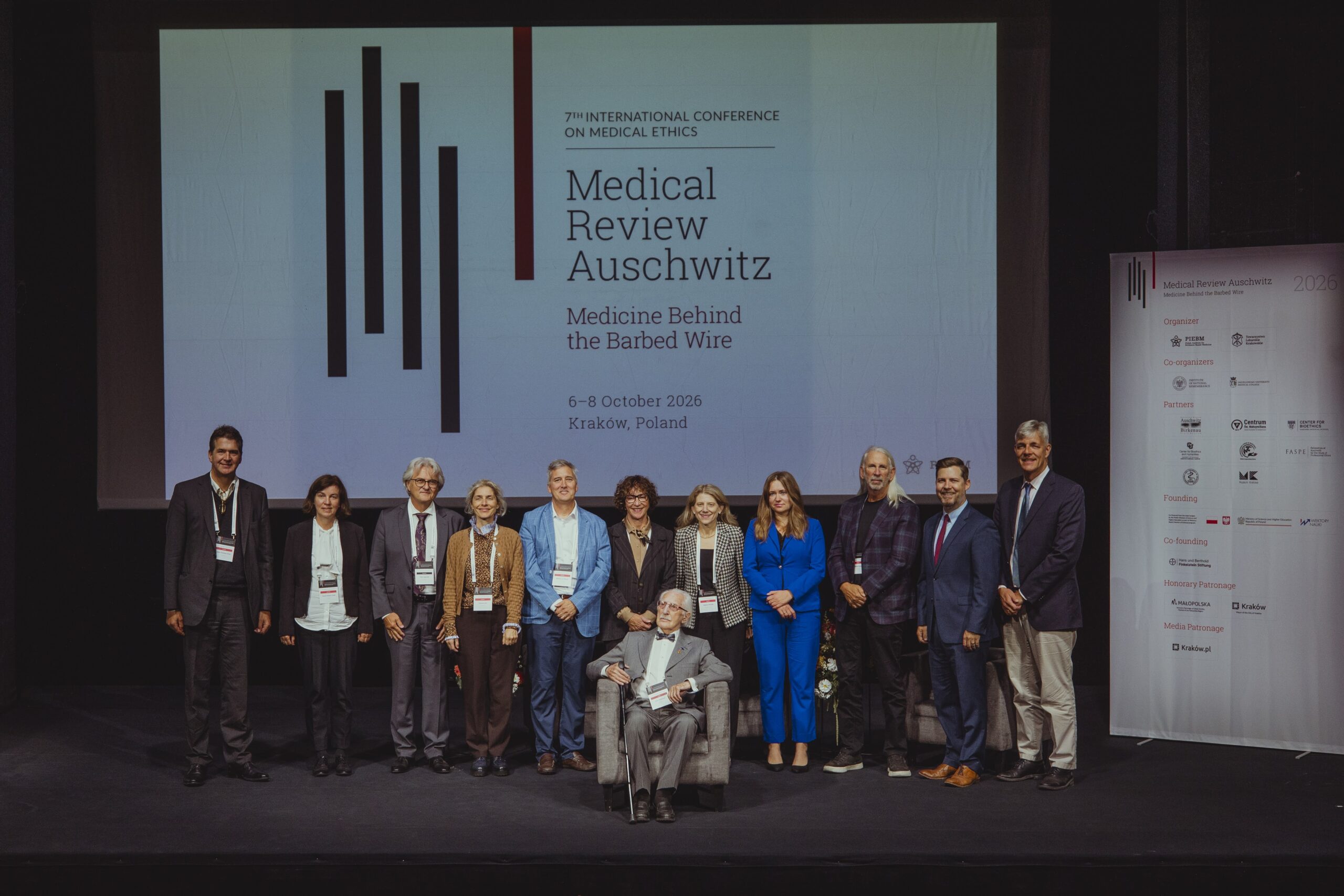
The 7th edition of the international conference on medical ethics Medical Review Auschwitz: Medicine Behind the Barbed Wire was held in Kraków on October 6-8, 2026.
The seventh edition of the conference Medical Review Auschwitz: Medicine Behind the Barbed Wire (Kraków, Poland) has come to a close, leaving us with a profound conviction that initiatives of this kind remain essential in today’s world, particularly in the fields of medical practice, bioethics, and health policy.
The conference provided a unique opportunity to reflect on medical ethics during the Second World War, with particular emphasis on the conduct of physicians and other medical professionals in Nazi medical institutions and concentration camps.
One of the conference’s defining features is its integration of historical reflection and direct engagement with places of remembrance. The program opened on 6 October with a study visit to the Auschwitz-Birkenau Memorial and Museum, where participants, speakers, and fellowship students had the rare opportunity to visit Block 10, the site of pseudomedical experiments conducted by Nazi German physicians, particularly on women.
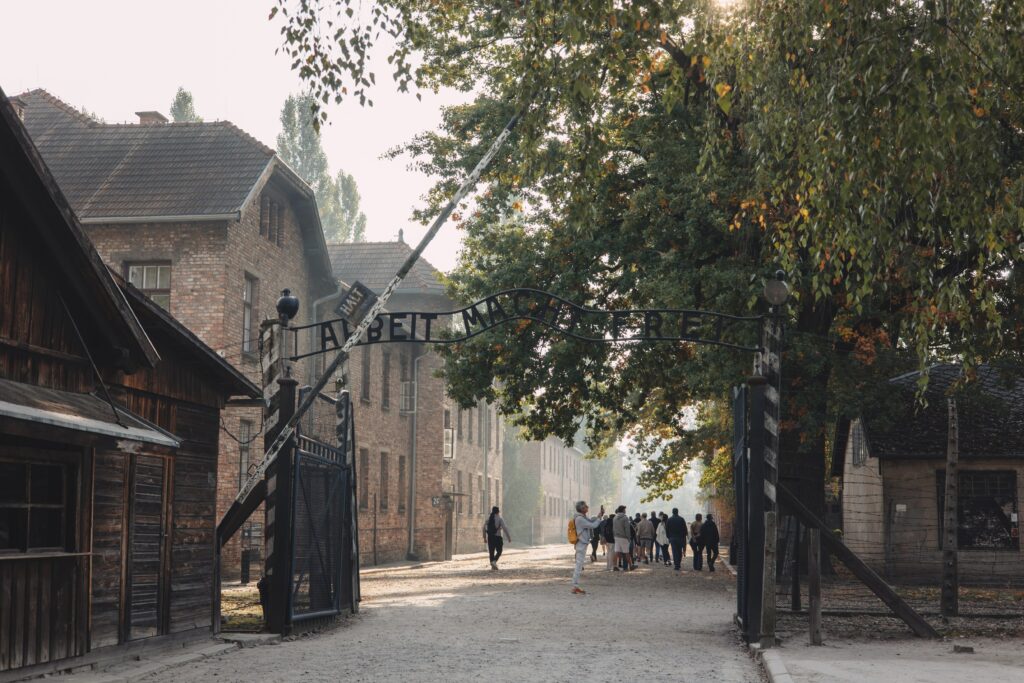
photo: Magda Rymarz
The program also included a visit to Negatives of Memory: Labyrinths, an exhibition by Marian Kołodziej, former prisoner of Auschwitz (prisoner no 432), presented at the St Maximilian Maria Kolbe Centre in the nearby village of Harmęże. After remaining silent about his experiences for 50 years, Kołodziej devoted the final 15 years of his life to creating a powerful artistic testimony to the horrors he had endured at Auschwitz.
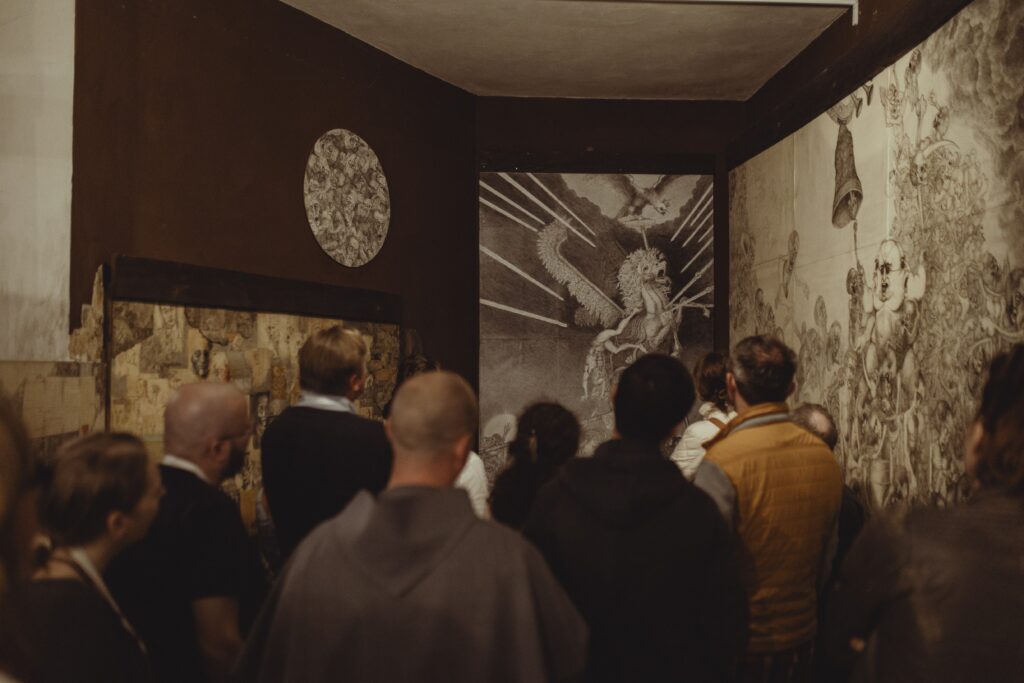
photo: Magda Rymarz
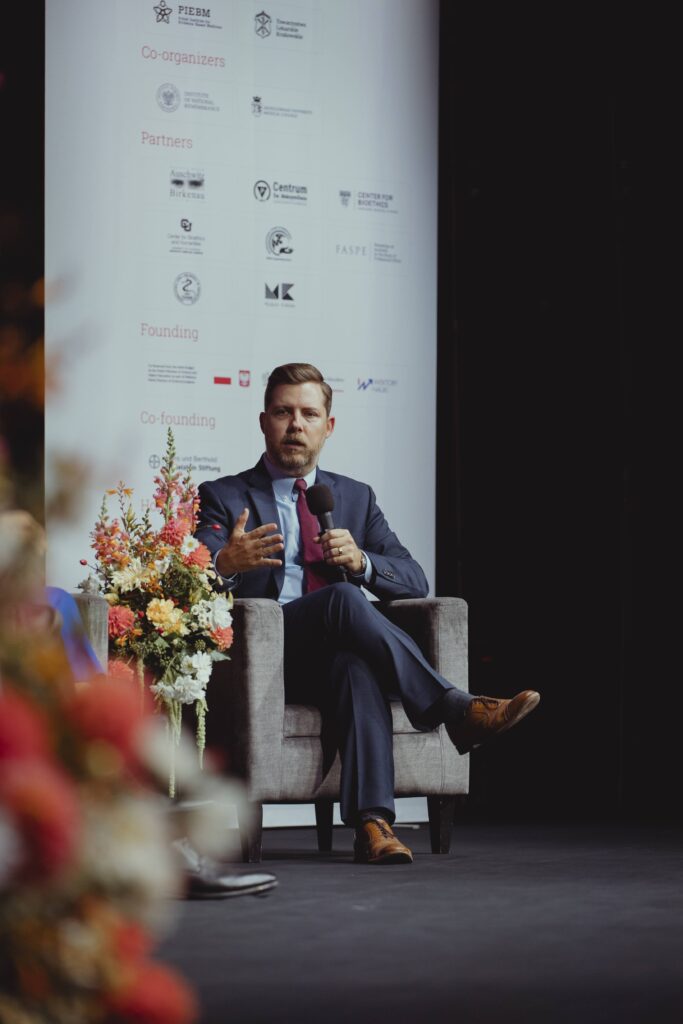
The main conference day, 7 October, took place at the Helena Modrzejewska National Stary Theatre in Kraków, bringing together more than 200 participants from over 15 countries.
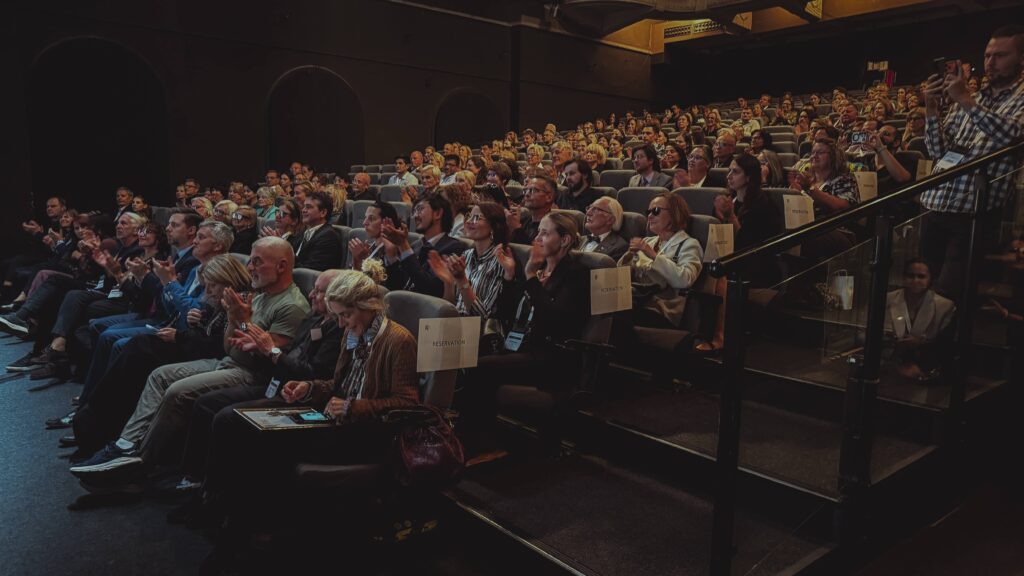
photo: Magda Rymarz
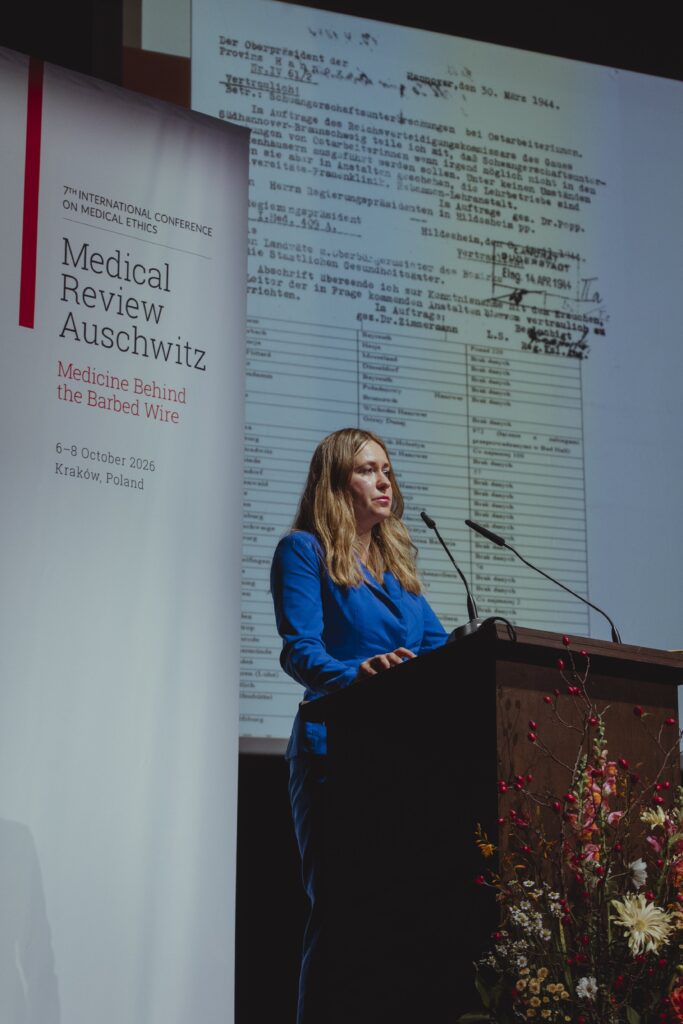
The opening ceremony featured welcoming remarks by Prof Piotr Gajewski, President of the Polish Institute for Evidence Based Medicine; Prof Maciej Małecki, Vice-Rector for the Jagiellonian University Medical College in Kraków; Prof Aleksander Skotnicki, Vice-President of the Kraków Medical Society; and Dr Konrad Graczyk, Deputy Director of the Historical Research Office at Poland’s Institute of National Remembrance.
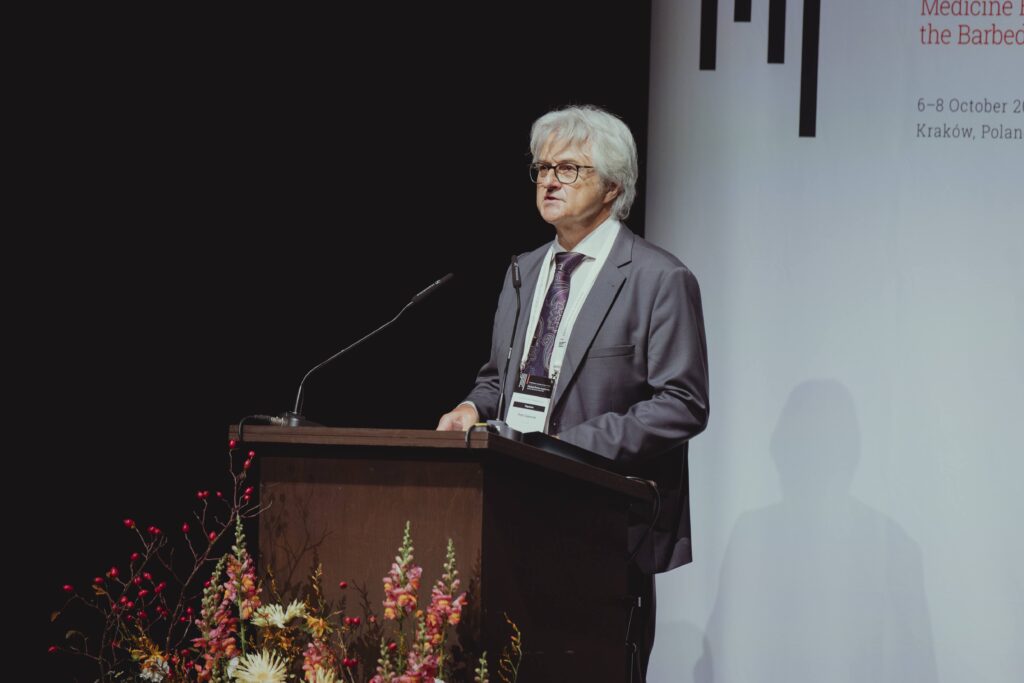
photo: Magda Rymarz
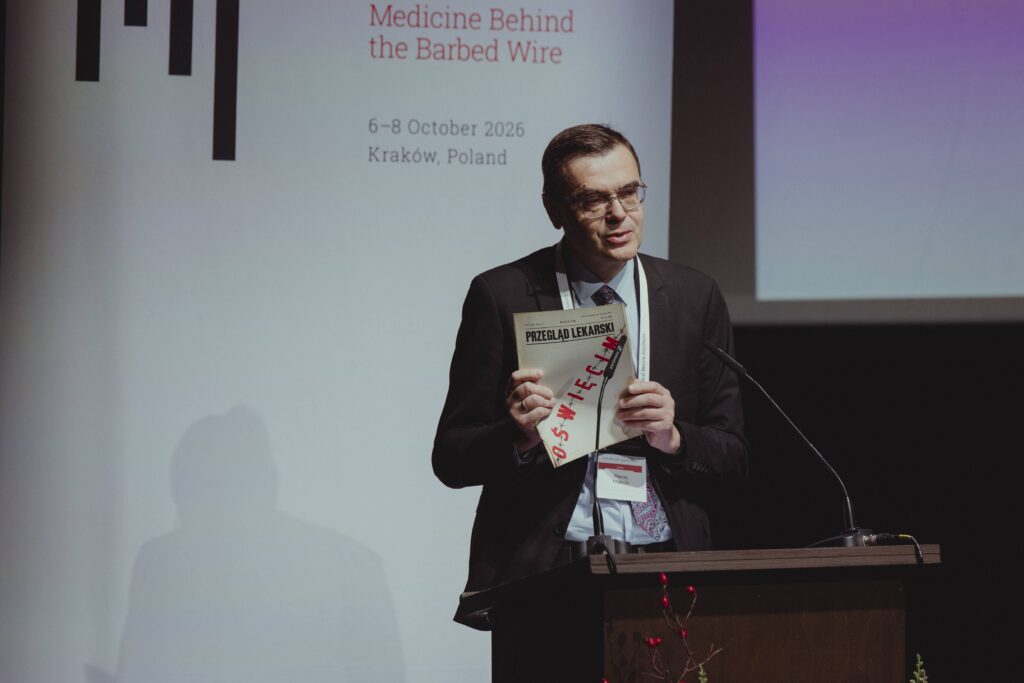
photo: Magda Rymarz
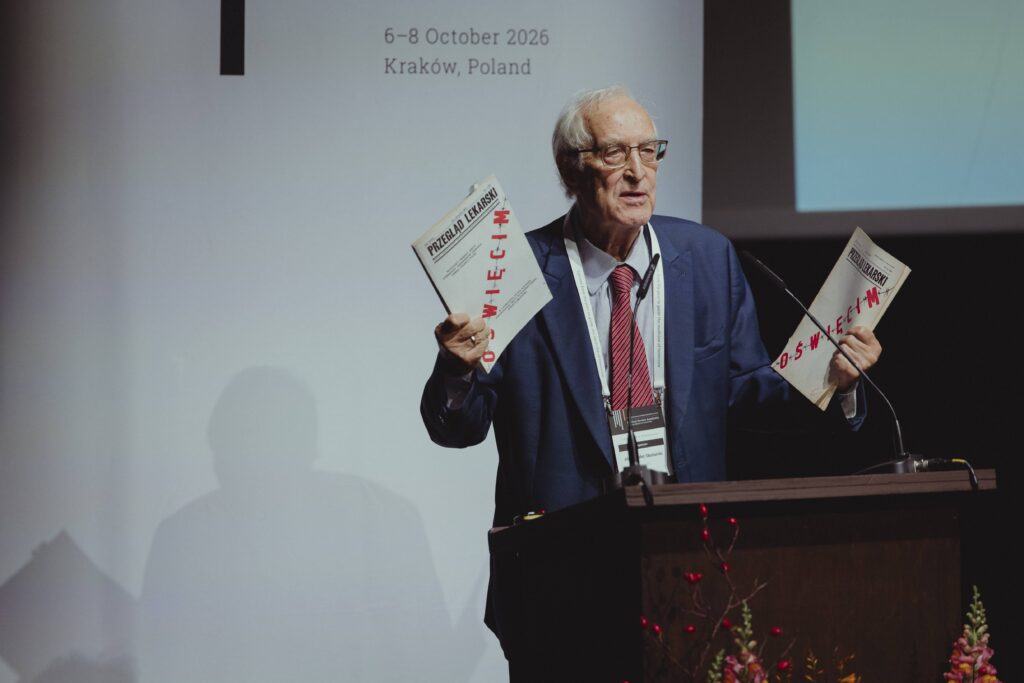
photo: Magda Rymarz
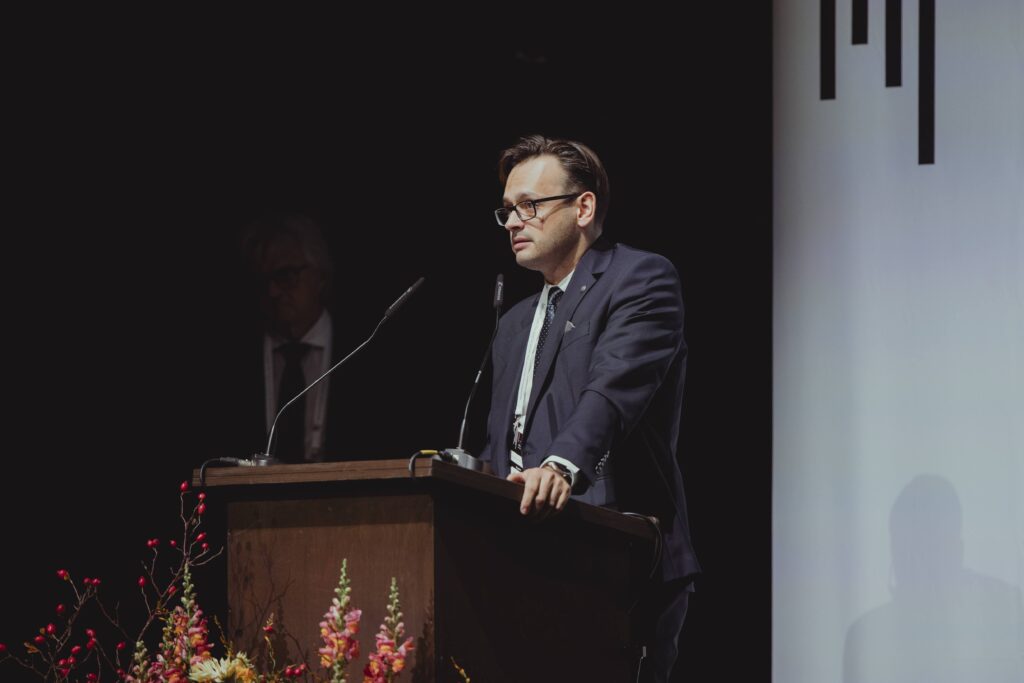
photo: Magda Rymarz
One of the most moving moments of the conference was a conversation between Dr Leon Weintraub, our Guest of Honor and a survivor of German concentration camps, and Prof Rebecca Brendel of Harvard Medical School. Their exchange offered a deeply personal perspective on the lasting consequences of the persecution. Eight decades after the end of the Second World War, questions of forgiveness, suffering, and the possibility of healing remain profoundly relevant.
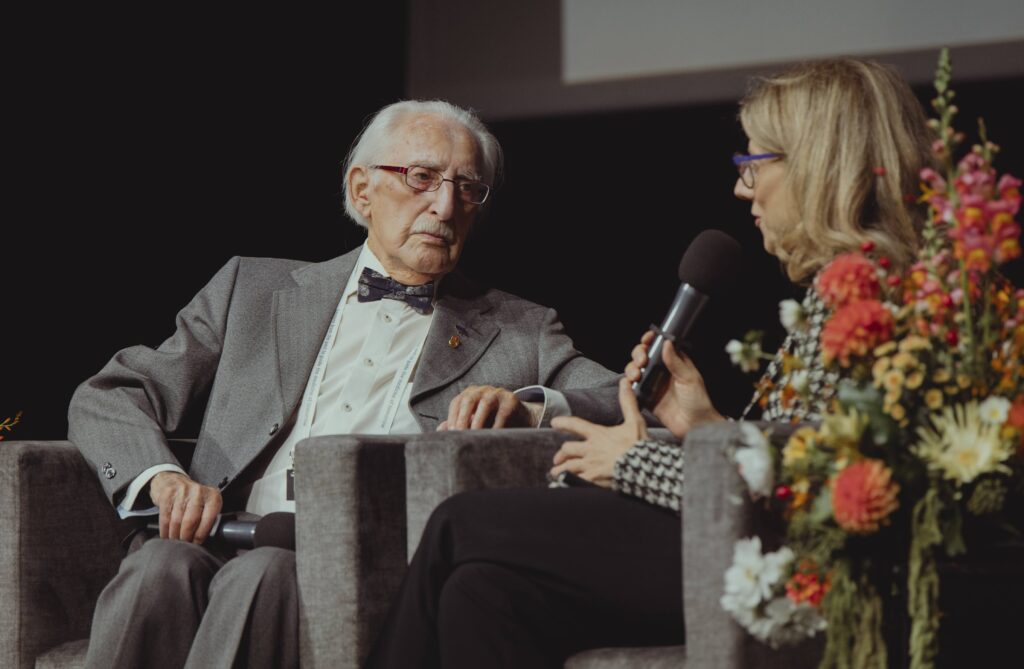
photo: Magda Rymarz
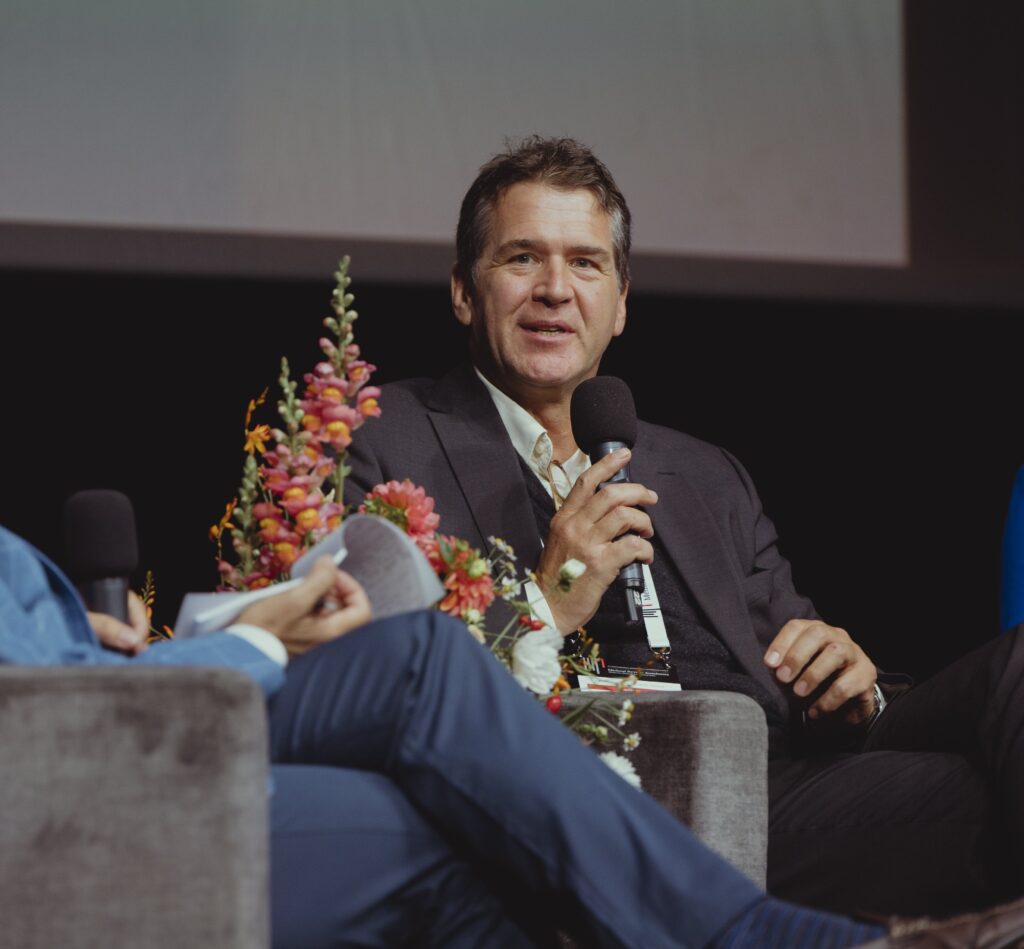
The scientific program comprised three sessions featuring presentations and panel discussions with an international group of experts, including
Dr Tessa Chelouche (Israel), Dr Teresa Wontor-Cichy (Poland), Dr Thorsten Wagner (USA), Prof Matthew Wynia (USA), Dr Anna von Villiez (Germany), Dr Johanna Lehr (France), Richard K. Lowy (Canada), Prof Rebecca Brendel (USA), Dr Hans-Christian Jasch (Germany), Dr Karolina Trzeskowska-Kubasik (Poland), and Prof Jay Malone (USA).
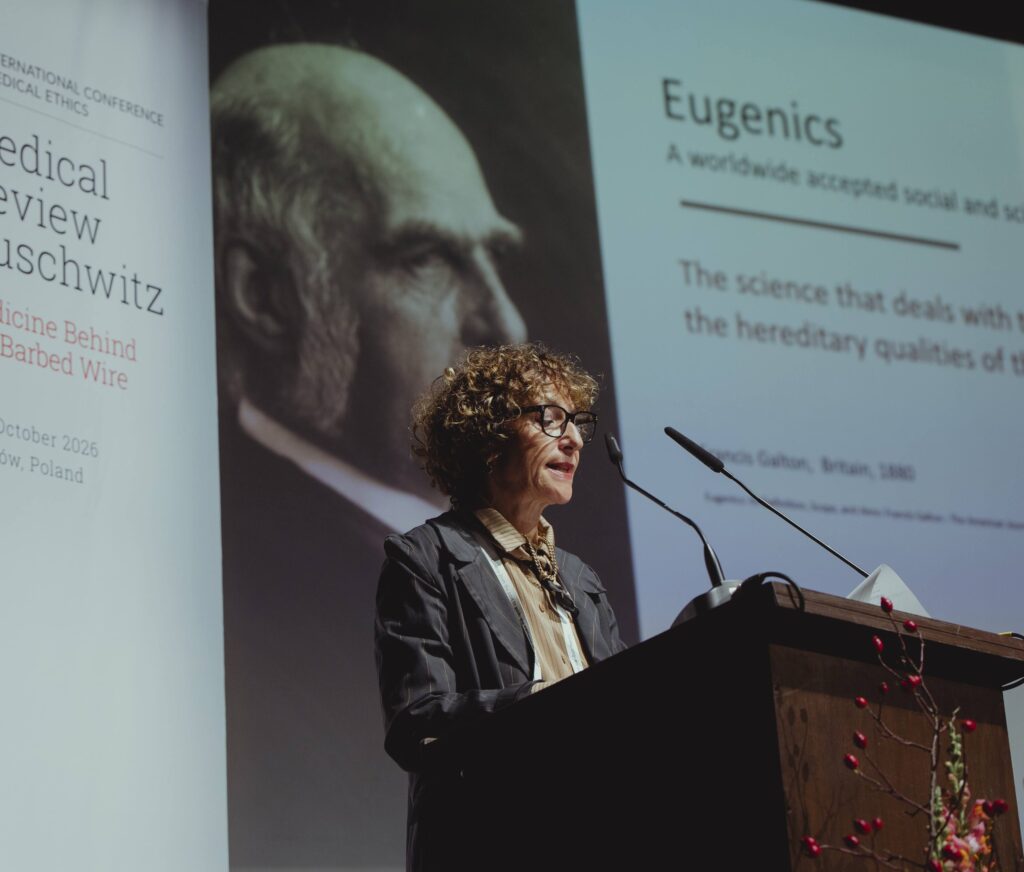
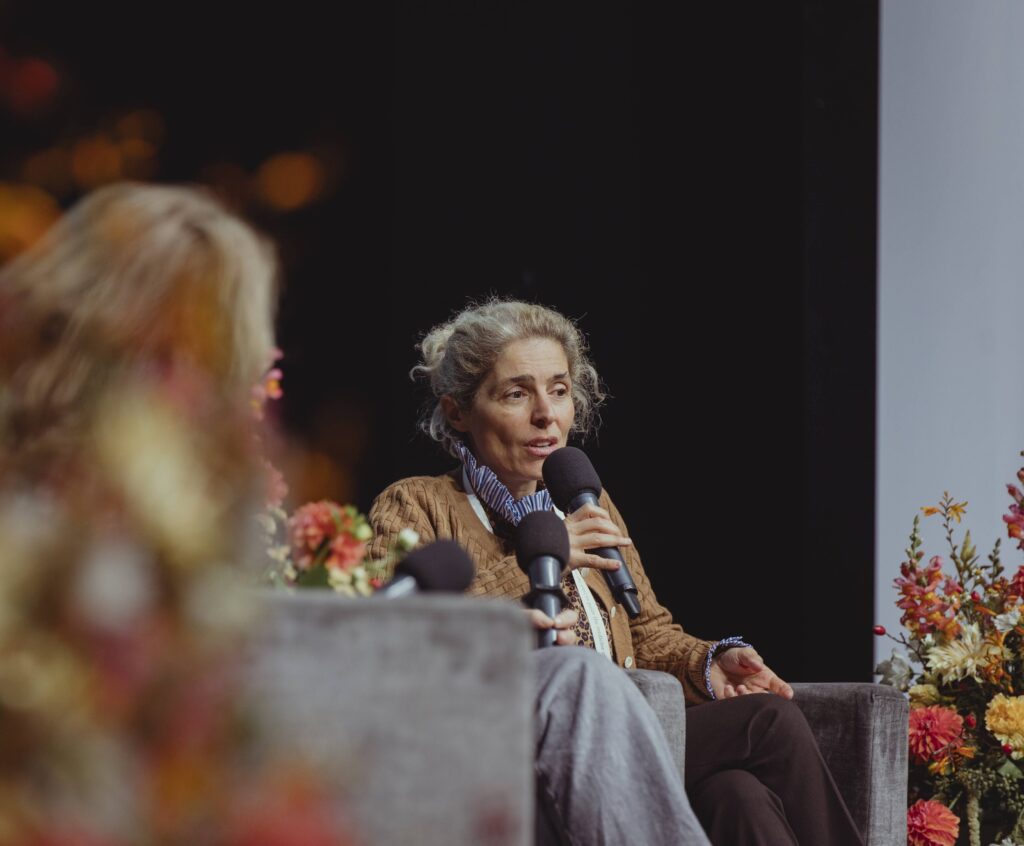
USC Shoah Foundation.
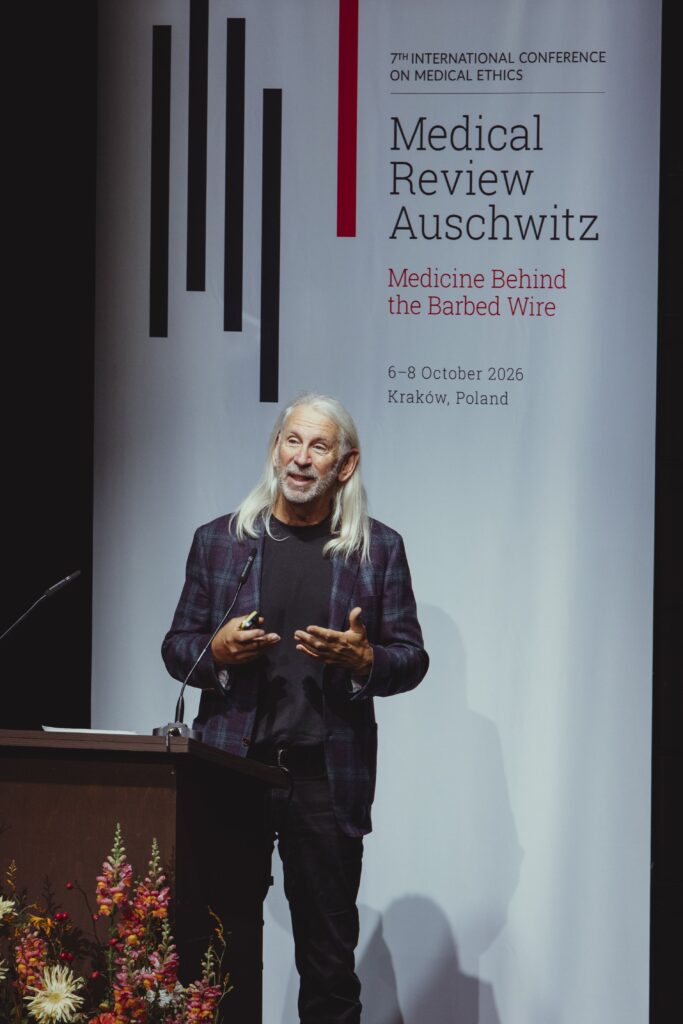
Washington University School of Medicine.
National Institute of Remembrance.
Independent researcher
photos: Magda Rymarz
Their contributions offered new perspectives on the connections between medical crimes committed during the Second World War and contemporary medicine and bioethics. Through historical analysis and interdisciplinary discussion, the speakers explored the enduring ethical challenges facing medical professionals and institutions today.
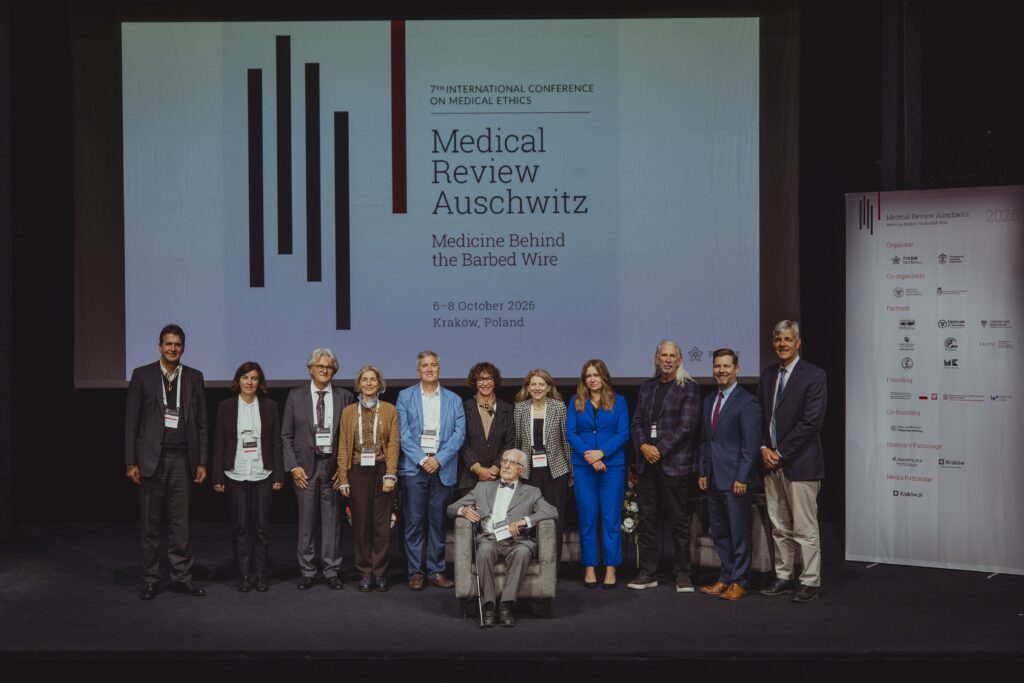
As in previous years, the Zdzisław Jan Ryn Award was presented to the speaker whose lecture received the most votes from conference participants. The award, a statuette created by sculptor Karol Gąsienica Szostak, went to Dr Johanna Lehr for her presentation, “The Fate of the 55 Jewish Women Deported from France on Convoy 58 Who Arrived at Block 10 in August 1943.”
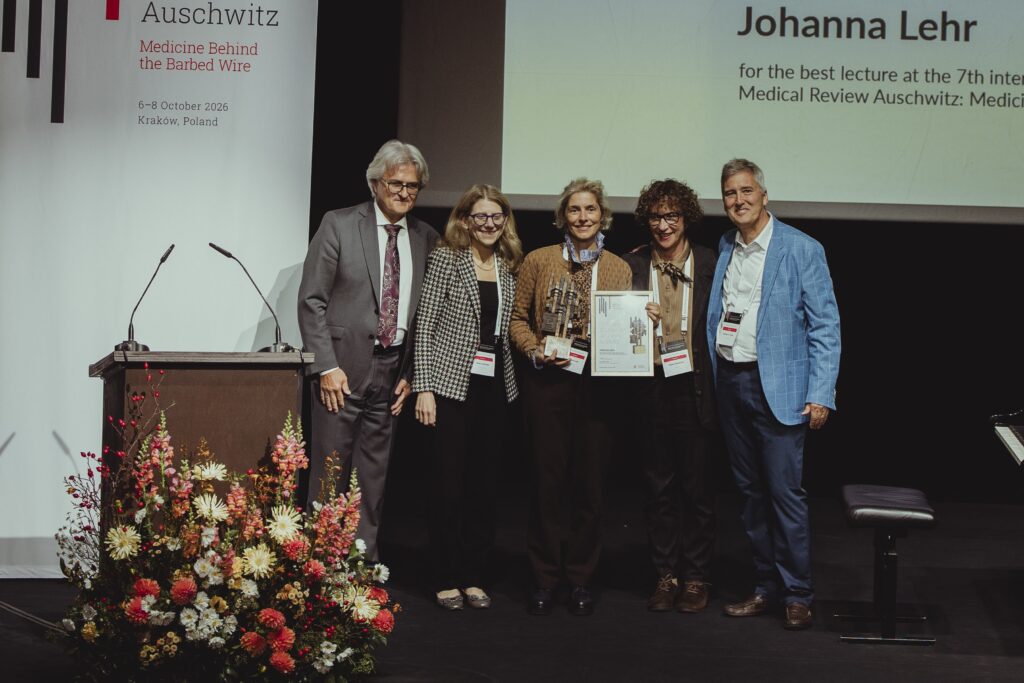
photo: Magda Rymarz
The final day of the conference, 8 October, featured three workshops led by Roger Chung (Chinese University of Hong Kong) and Rebecca Brendel (Harvard Medical School, USA); Aleksandra Baryła and Angelika Słodka (Office of Search and Identification, Institute of National Remembrance, Poland); and Thorsten Wagner (Fellowships at Auschwitz for the Study of Professional Ethics [FASPE]). The workshops offered participants further opportunities to explore the conference’s central themes through practical, interdisciplinary engagement.
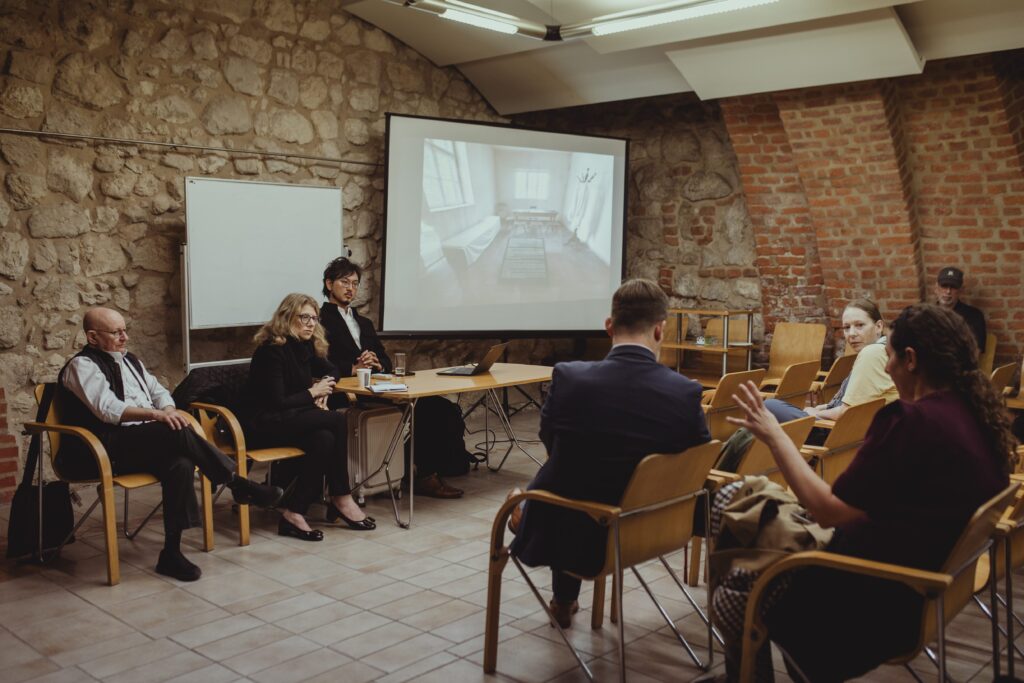
photo: Magda Rymarz
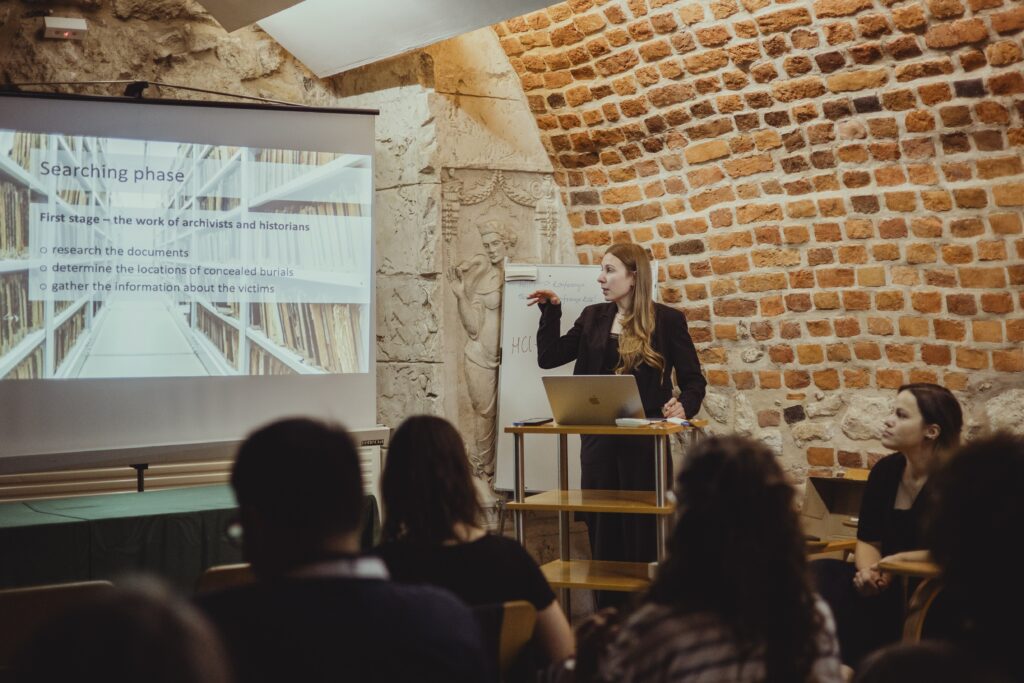
photo: Magda Rymarz
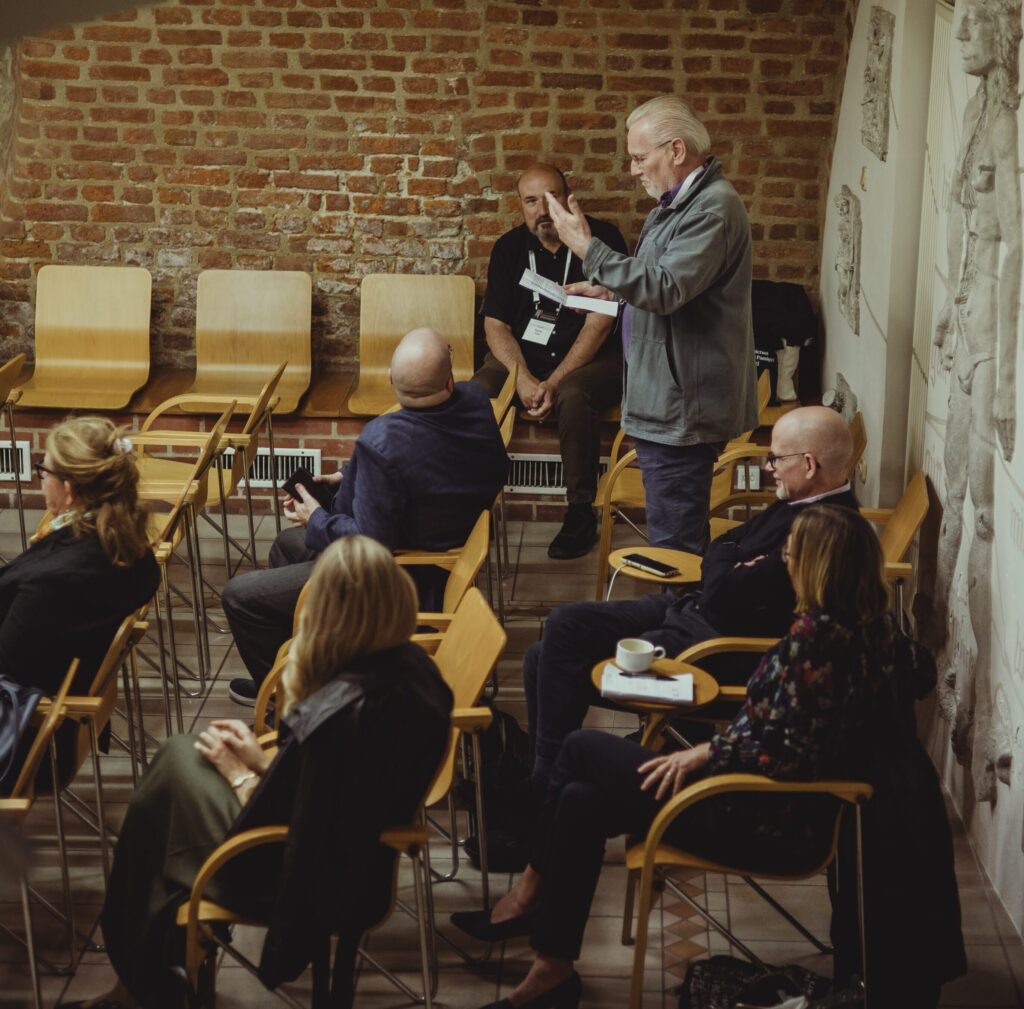
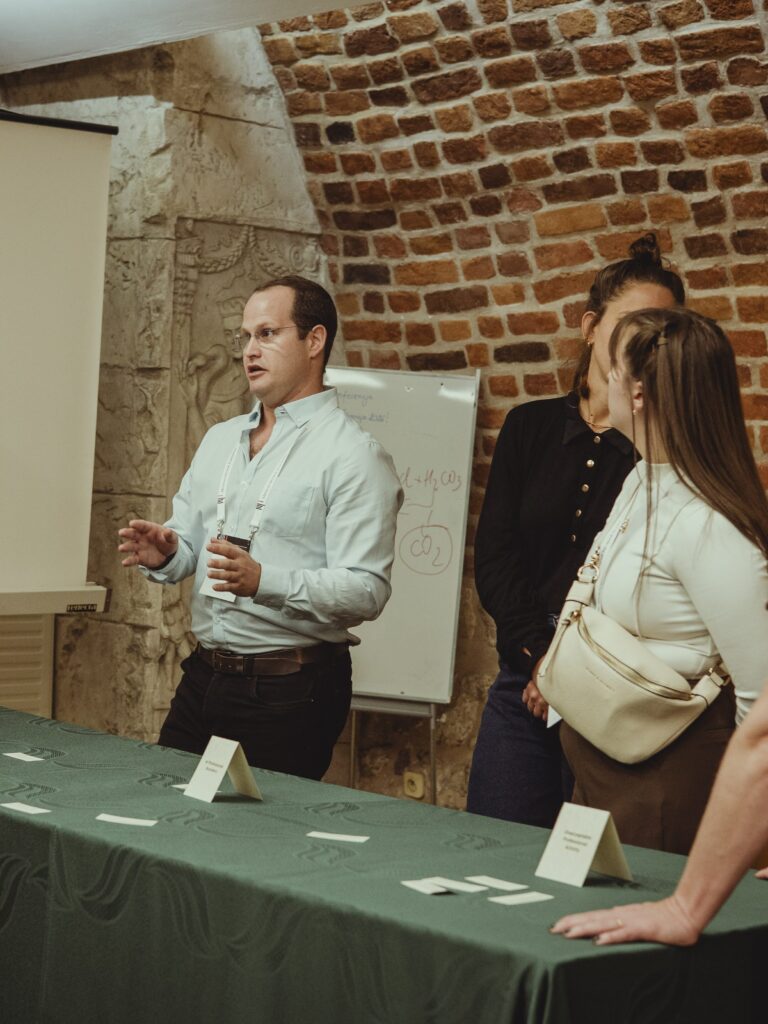
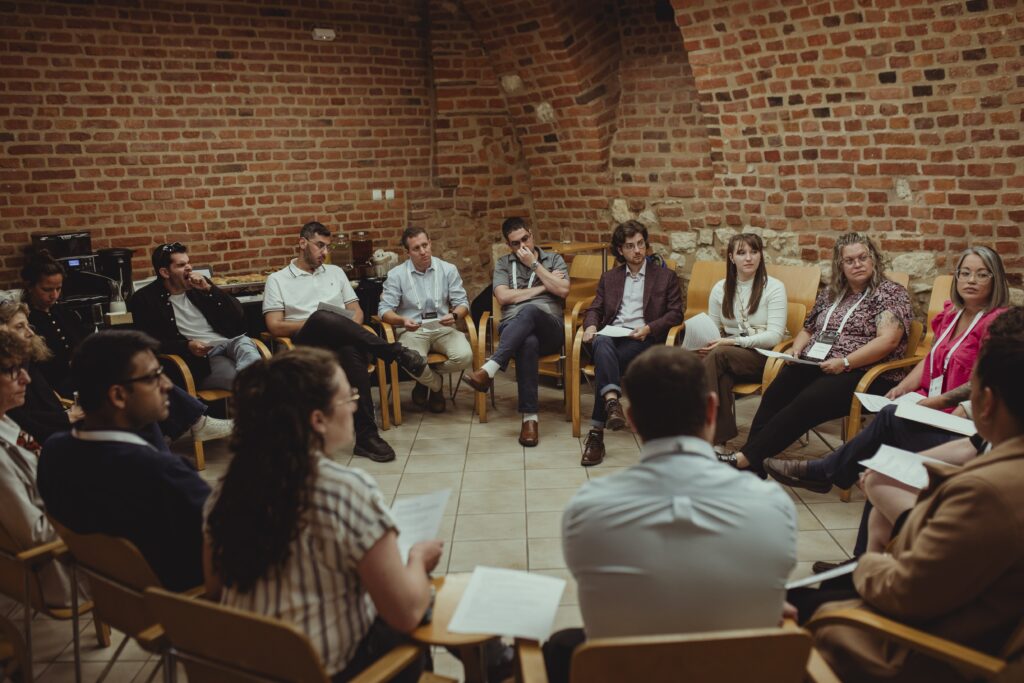
photo: Magda Rymarz
Medical Review Auschwitz: Medicine Behind the Barbed Wire is organized annually by the Polish Institute for Evidence Based Medicine in cooperation with the Kraków Medical Society, the Institute of National Remembrance, the Jagiellonian University Medical College, and the Kraków Chamber of Physicians.
The conference partners include the Auschwitz-Birkenau State Museum, the Center for Bioethics at Harvard Medical School (USA), the University of Colorado Center for Bioethics and Humanities (USA), the International Chair in Bioethics – World Medical Association Cooperation Center (Israel), Fellowships at Auschwitz for the Study of Professional Ethics (FASPE), and the Museum of Kraków.
The 2026 edition was made possible through the financial support of:
- Polish Ministry of Science and Higher Education, as part of the Vectors of Science (Wektory Nauki) program
- Poland’s Institute of National Remembrance
- Finkelstein Foundation
- Regional Medical Chamber in Kraków
- donors.
Recordings of all conference lectures will be made available free of charge at www.medical-auschwitz.one.
The 8th edition of Medical Review Auschwitz: Medicine Behind the Barbed Wire will take place in Kraków on September 21-23, 2027.
Main objectives of the Medical Review Auschwitz conference:
- To present to the international community—on the basis of reliable historical sources—truth about crimes committed by physicians and other health personnel in German Nazi concentration camps and other sites of extermination; the heroic medical assistance provided by fellow prisoners and other individuals; and the health consequences of camp imprisonment for survivors and their descendants.
- To promote scholarly exploration of Nazi medicine and medical ethics during World War II and to formulate messages relevant to contemporary medicine and bioethics.