
From code to clinic: Translating AI into medical practice




AIMed is a joint initiative developed by scholars from the Polish Institute for Evidence Based Medicine (PIEBM), the Big Data Institute at the University of Oxford, the Department of Medicine at McMaster University and the Interdisciplinary Health Data Center of the Jagiellonian University Medical College.
Conference Chairs
Bartłomiej Papież PhD, MSc
Big Data Institute, University of Oxford, UK
Dan Perri MD
McMaster University, Canada
Roman Topór-Mądry MD
Interdisciplinary Health Data Center,
Jagiellonian University Medical College, Poland
Andrzej Ryś MD
former Director for Health Systems, Medical Products and Innovation, European Commission
Co-creator of the European Health Data Space
Board Member of Medical Research Agency, Poland
Roman Jaeschke MD, MSc, DPharm
McMaster University, Canada
Piotr Szymański MD, PhD
Healthcare Professionals’ Working Party, European Medicines Agency; National Institute of Medicine MSWiA, Poland
Piotr Gajewski MD, PhD
Polish Institute for Evidence Based Medicine, Poland
Thursday, May 7: Research & Innovation Day
The opening day of AIMed will be dedicated to research presentations and scientific exchange. The day will be divided into two half-day oral and poster sessions, offering a platform for both clinical and technical contributors to share their latest findings at the intersection of artificial intelligence and medicine.
9:00-17:00 | RESEARCH PRESENTATIONS
19:00-20:00 | OPENING CEREMONY
Progress and future challenges for artificial intelligence
Marta Kwiatkowska MSc MA PhD
Professor of Computing Systems and Fellow of Trinity College, University of Oxford (UK)
Good things happen when people of different backgrounds meet
Jack Hirsh MD
Professor Emeritus of Medicine, McMaster University (Canada)
20:15-21:30 | CONCERT
Call for abstracts - Deadline extended!
General Information
All accepted abstracts will be published in a Book of Abstracts, produced in collaboration with BMJ Digital Health & AI.
The highest-scoring submissions (judged by the Research Review Committee) will be selected for oral presentations, while all accepted papers will be showcased as poster presentations throughout the conference.
The top-ranked abstract will receive an invitation to submit a full paper to a Special Issue of BMJ Digital Health & AI. Invited manuscripts will undergo the journal’s standard peer-review process.
Timeline
- 16 January – Submission system opens
- 15 March – Deadline for submissions
- 10 April – Notification of acceptance and presentation category (oral or poster)
- 24 April – Deadline for uploading posters (all accepted abstracts) and PPTX presentations (oral presentations only)
- 7 May – Oral presentations
- 7–9 May – Poster display (conference foyer)
- 8 May – Award Ceremony (after the final session)
Submission Steps
- Review the topics of interest (below) or contact the Organizing Committee if any doubt
- Structure your abstract according to the submission template
- Register in the Online Submission System at submit.piebm.org. Contact details of the presenting author and all co-authors are required.
- Submit your abstract by March 15, 2026, at 23:59 CET.
- The AIMed Research Review Committee will evaluate all submissions
- Highest-scoring abstracts will be selected for oral presentation
- All accepted abstracts will be presented as paper posters onsite and digital posters online
General Submission Guidelines
- Abstracts must contain original, unpublished material.
- Abstracts should be written in standard English and limited to a maximum of 300 words.
- The first and presenting author should be either health care practitioner or non-clinical researcher (e.g. computer scientist, data scientist, engineer), or a student/trainee.
- Abstracts must be submitted by 11:59 PM CEST on March 15, 2026, through the Online Submission System at submit.piebm.org.
- The AIMed Organizing Committee reserves the right to extend the submission deadline.
- Each author may submit only 1 abstract as first author, as part of their AIMed conference registration.
- Abstracts are accepted based on evaluation by AIMed Research Review Committee.
- Authors will be notified by email of acceptance or rejection by April 10, 2026.
- Acceptance is confirmed only after the conference registration fee has been paid.
- Authors accepted for oral presentation will be required to upload a PowerPoint presentation (PPTX format). Oral presentations: 10 minutes + 5 minutes for Q&A and comments.
- By submitting an abstract, authors consent to its publication. Abstracts will be published exactly as submitted; authors are therefore responsible for proofreading and checking spelling and grammar.
Topics of Interest
AIMed welcomes original work focusing on recent advances at the intersection of artificial intelligence and medicine, including but not limited to:
- Clinical validation and/or implementation of AI/ML in diagnostics, imaging, or therapeutics
- Predictive and prognostic modelling in clinical decision support
- AI-driven workflow optimization and patient management
- Development of interpretable and trustworthy AI systems for healthcare
- Multimodal data integration and federated learning in medicine
- Digital biomarkers, digital tools, and novel Internet of Things devices for remote patient monitoring
- Any other AI applications in clinical medicine not covered above
- Ethical, regulatory, and governance aspects of medical AI
- Evaluation metrics, benchmarking, and reproducibility in AI for medicine
- Use of AI in medical and/or health professional education
- Use of AI to facilitate biomedical or clinical research (clinical trials, etc.)
- Studies on patient, family, or health care provider attitudes towards AI and/or use of AI
Abstract Format
Abstract components
- Title: Concise, specific, and informative (maximum 150 characters).
- Authors:
- Full names, affiliations, and contact details of the presenting author and all co-authors are required.
- Abstracts will be grouped as follows:
Track A: Original research on preclinical or clinical translation of AI/ML in medicine, emphasizing real-world implementation, validation, and clinical outcomes. First/presenting author should be a healthcare practitioner or a student.
Track B: original research on the development of AI/ML algorithms and methods with potential clinical applications, focusing on model development, data science innovations, and computational methodologies. First/presenting author should be a non-clinical researcher (e.g. computer scientist, data scientist, engineer) or a student.
- Affiliations: Maximum 2 affiliations per author.
- Structure:
- Introduction: Background, unmet need, hypothesis, and study aim
- Methods: Description of the device or method, experimental setting, outcomes, and analysis
- Results: Only results available at the time of submission; tables and figures should appear on a separate page
- Summary: Key findings, potential healthcare impact, limitations
- Keywords: 3–5 keywords.
- References: Up to 10 references, formatted according to AMA style (11th edition)
- Disclosures: Clearly state any conflicts of interest (e.g. ownership of the product presented)
Introduction, Methods, Results and Summary must not exceed 300 words.
All abbreviations must be defined at first use.
Figures and tables
Adapted from BMJ Abstract Submission Requirements
Figures
- Accepted formats: .jpeg, .tif, .gif, .eps, PowerPoint, etc.
- Figures must be attached as separate files and also embedded in the Word document.
- All figures must be cited and clearly numbered.
- Minimum recommended resolution: 300 dpi.
- Figure legends must be editable and appear below the figure.
Tables
- Accepted formats: .pdf.
- Tables must be attached as separate files and also embedded in the Word document.
- Tables must be clearly numbered.
- Table legends must be editable and appear below the table.
Slide presentation
- Aspect ratio: 4:3
- Minimum resolution: 1024 × 768 px
- File format: PowerPoint (PPTX)
- Use standard Windows fonts only
- Accepted video formats: MP4 (preferred), WMV, AVI
- Presentations must be run from a laptop provided by the organizers
- Personal devices are not permitted
Poster
Paper posters will be displayed during AIMed 2026 on-site (in the conference foyer) and online on the event website.
Paper poster
- Structure: same as abstract structure.
- Portrait orientation, A0 size: 1189 mm (height) x 841 mm (width).
- Font size should allow for reading from 2–3 meters.
Digital poster
- Size: max. 10 MB
- Ratio: 9:16 (vertically)
- Resolution: min. 1080 × 1920 px
- Format: PDF or JPG
Clarification Notes
- Who can submit an abstract?
Anyone may submit an abstract. There is no submission fee. If your abstract is accepted for an oral or poster presentation, you will be required to register for the AIMed conference (3-day in-person participation). - Can students submit abstracts?
Yes. There is no age limit. - Can I submit more than one abstract?
You may be a co-author on multiple abstracts but only the first author on one. - Can a co-author submit the same abstract separately?
No. Each abstract may be submitted only once by one corresponding author. - What is the submission deadline?
March 15, 2026, at 11:59 PM CEST. - When will acceptance notifications be sent?
No later than April 30, 2026. - What if I encounter technical issues?
Contact us at ai@piebm.org. - How will abstracts be presented?
- Oral sessions: Thursday, May 7 (Research Day)
- All accepted abstracts: paper posters onsite and digital posters online
- Will all accepted abstracts be published?
Yes, in the Book of Abstracts in collaboration with BMJ Digital Health & AI. - Is conference attendance required?
Yes. The presenting author must be registered for AIMed 2026. - Is there a submission fee?
One abstract submission is included in the conference registration.
Friday, May 8: State-of-the Art Day
The second day of AIMed will feature keynote and invited talks by leading experts in artificial intelligence and clinical medicine. While following a similar structure to the first day, the focus will shift from research presentations to high-level discussions on advances, challenges, and future directions in AI for healthcare.
The State-of-the Art Day will provide an opportunity for attendees to engage directly with thought leaders from academia, healthcare institutions, and industry, encouraging critical reflection on both the promise and the practical realities of implementing AI in medicine.
8:40-11:10 | High Tech: Emerging Frontiers in Artificial Intelligence for Medicine
Advances in AI will showcase the latest technical breakthroughs and emerging frontiers in artificial intelligence. Talks will explore topics such as foundation models, multimodal learning, generative AI, explainability, robustness, and scalability. Speakers, world-renowned AI scientists and innovators, will review key methodological advances and discuss the ongoing challenges facing AI, including data limitations, generalizability, and ethical considerations.
Chair: Bartłomiej Papież PhD, MSc
8:40-9:00
Piotr Sankowski PhD
Professor, University of Warsaw (Poland); Director, IDEAS Research Institute
To be announced
9:00-9:20
Andreas Maier PhD
Professor and Head, Pattern Recognition Lab, Friedrich-Alexander-Universität Erlangen-Nürnberg (Germany)
What next in medical AI?
9:20-9:40
Kostas Marias MSc PhD
Professor of Medical Image Processing, Department of Electrical & Computer Engineering,
Hellenic Mediterranean University (Greece);
Head, Computational BioMedicine Laboratory (CBML), Institute of Computer Science, Foundation for Research & Technology – Hellas (FORTH-ICS)
What’s next in AI for precision oncology
9:40-10:00
Petra Ritter MD PhD
Professor for Brain Simulation, BIH & Charité Universitätsmedizin Berlin; Director for International Affairs at Charité (Germany);
Lead, European Testing and Experimentation Facility for Health AI and Robotics (TEF-Health)
AI testing and experimentation facility for health AI and robotics (TEF-Health)
10:00-10:20
Katarzyna Witkowska PhD
Strategic Partnerships Director at Genomics England (UK)
Genomics England case study: Translating research into care - building trust through national genomic programmes and implementing AI for translational impact
10:20-10:40
Gary Collins PhD
Professor of Medical Statistics, University of Birmingham (UK); TRIPOD Steering Group
Inside black box: Transparent reporting for AI for healthcare
10:40-11:10
Q&A and panel discussion
11:30-13:40 | Rebooting EBM: Path Towards EB-AIM (Evidence Based Artificial Intelligence Medicine)
Clinical AI in Practice will highlight the current state of the art in clinical applications of AI, examining how intelligent systems are being integrated into patient care, diagnostics, and hospital operations. Discussions will cover real-world deployment, clinical adoption trends, regulatory and policy frameworks, and the patient perspective on the use of AI in healthcare. Speakers will include clinicians, healthcare administrators, regulators, and representatives from patient organizations, offering a balanced and multidisciplinary view of how AI is transforming medicine today.
Chair: Dan Perri MD
11:30-11:50
Thomas Lüscher MD
President of the European Society of Cardiology; Director of Research, Education & Development and Consulting Cardiologist at the Royal Brompton & Harefield Hospital Trust and Professor of Cardiology at the Imperial College in London (UK);
Director of the Center for Molecular Cardiology at the University Zurich (Switzerland)
AI Cardiovascular Medicine and beyond
11:50-12:10
Nadeem Sarwar PhD
Senior Vice President, Global Head, Disease Prevention & Global Head, Metabolic Disease Strategy of Enveda; Honorary Professor, School of Medicine, University of Edinburgh (UK)
Shifting the paradigm from reactive to preventive medicine: The critical role of data & AI
12:10-12:30
Bright Huo MD
McMaster University (Canada)
Health advice from GenAI platforms: What is the current landscape, and where is it going?
12:30-12:50
Julian Dobranowski MD
Professor and Chair, Department of Medical Imaging, McMaster University (Canada)
AI in radiology: Challenges and opportunities. We are still here.
12:50-13:10
Sameer Shaikh MD
Assistant Clinical Professor, Department of Medicine, McMaster University (Canada); CEO, Inflective AI
From classroom to clinic: Building the competency framework for an AI-enabled medical workforce
13:10-13:40
Q&A and panel discussion
14:20-16:20 | Getting Human: Strategies for Building Trust and Understanding in AI Medicine: Part 1
Chair: Piotr Szymański MD, PhD
14:20-14:40
Emer Cooke MSc MBA
Executive Director, European Medicines Agency
To be announced
14:40-15:00
Ricardo Baptista Leite MD
CEO, HealthAI – The Global Agency for Responsible AI in Health (Switzerland)
From robots to humans: Building global trust in AI-powered healthcare
15:00-15:20
Karl Broich MD PhD
President, Federal Institute for Drugs and Medical Devices (Germany);
Honorary Professor for Psychiatry and Clinical Neuropsycopharmacology, University of Bonn (Germany)
Not gatekeepers, but guardians of trust: Regulators as enablers of AI-driven medicine
15:20-15:40
Aneta Tyszkiewicz MA
Director, Data Digital, European Federation of Pharmaceutical Industries and Associations
Building trust and understanding in AI use in the medicine lifecycle: Company practices
15:40-16:20
Q&A and panel discussion
Special Guests: Tomasz Maciejewski (Deputy Minister of Health), Rafał Rosiński (Deputy Minister of Digital Affairs)
16:40-18:10 | Getting Human: Strategies for Building Trust and Understanding in AI Medicine: Part 2
Chair: Dan Perri MD
16:40-17:00
Karla Childers MSc
Vice President, Bioethics, Policy & Partnerships, Office of the Chief Medical Officer, Johnson&Johnson
Trust by design: Bioethics, AI, and responsible data stewardship
17:00-17:20
Angeliki Kerasidou MA, DPhil
Associate Professor in Bioethics, Ethox Centre, University of Oxford (United Kingdom)
AI, trust and future provision of health care
17:20-17:40
Rebecca Brendel MD JD
Assistant Professor of Psychiatry, Francis Glessner Lee Associate Professor of Global Health and Social Medicine in the Field of Legal Medicine;
Director, Harvard Medical School Center for Bioethics (USA)
Dimensions of responsibility in AI in medicine
17:40-18:10
Q&A and panel discussion
Saturday, May 9: Education Day
The final day of AIMed will be dedicated to hands-on learning, collaboration, and special sessions. Building on the insights of the previous days, Day 3 will offer an interactive environment where participants can deepen their technical understanding, explore clinical applications in practice, and engage with cutting-edge technologies shaping the future of healthcare.
Workshops and Tutorials will provide focused, small-group sessions led by experts from academia, healthcare, and industry. These sessions will cover both foundational and advanced topics from data curation, model development, and validation, to regulatory compliance, ethical design, and clinical integration of AI tools. Tutorials will be designed to help clinicians understand how AI systems work and how to evaluate them critically, while offering data scientists and engineers practical insight into the complexities of clinical workflows and medical data.
Education Day will showcase emerging technologies, start-ups, and translational projects bringing AI from the lab to the clinic. Live demonstrations will feature prototypes and commercially available systems in imaging, diagnostics, remote monitoring, and digital therapeutics. The Education Day will also include panel discussions and networking sessions focused on entrepreneurship, regulatory strategy, and public–private collaboration in AI-driven healthcare.
By combining practical workshops, technical tutorials, and innovation showcases, the final day of AIMed will empower participants to translate knowledge into action, equipping both clinicians and technologists with the skills and partnerships needed to advance responsible AI adoption in medicine.
Special Session
From startup to scaleup: How to successfully navigate the innovative AI ecosystem
Chairs:
Paweł P. Łabaj PhD, DSc
Head of the Bioinformatics Group, Malopolska Centre of Biotechnology,
Deputy Director for Scientific Affairs, Malopolska Centre of Biotechnology,
Jagiellonian University, Poland
Andrzej Ryś MD
former Director for Health Systems, Medical Products and Innovation, European Commission
Co-creator of the European Health Data Space
Board Member of Medical Research Agency, Poland
9:00-10:50 | Part 1
9:00-9:20
Andrzej Rys MD
former Director for Health Systems, Medical Products and Innovation, European Commission; Co-creator of the European Health Data Space; Board Member of Medical Research Agency, Poland
The EU regulatory landscape: From design to implementation
9:20-9:40
Karl Broich MD PhD
President, Federal Institute for Drugs and Medical Devices; Honorary Professor for Psychiatry and Clinical Neuropsycopharmacology, University of Bonn (Germany)
Unlocking AI in Digital Health Applications: Opportunities, Challenges, and Compliance Frontiers
9:40-10:00
Q&A and panel discussion
10:00-10:20
Marek Kasztelnik MSc
Gaia AI Factory coordinator, Academic Computer Centre CYFRONET AGH (Poland)
From idea to impact: Building the Gaia AI Factory in the medical AI ecosystem
10:20-10:50
To be announced
11:20-13:20 | Part 2
11:20-11:40
Dawid Rymarczyk PhD
Director of AI Solutions at Ardigen (Poland)
Defeating E-room's law with artificial intelligence: Real world data-driven drug discovery
11:40-12:00
Łukasz Bandała MSc BE
Co-CEO / CTO at Revolve Healthcare (Poland)
Turning AI innovation into a CE-marked medical product
12:00-12:20
Osman Ugur Sezerman MSc PhD
CEO at Epigenetiks (USA/Germany/Turkiye)
AI-driven multi-source and multiomics diagnostics
12:20-12:40
Szymon Janota
Chief Executive Officer of Graylight Imaging (Poland)
How a Polish MedTech collaborates with a tech giant to develop groundbreaking AI solutions in healthcare: A success story
12:40-13:20
Q&A and panel discussion
Moderator: Krzysztof Pyrć MSc PhD (President, FNP Foundation for Polish Science)
Panelists: Marek Magryś B.Eng. (Acting Director, Academic Computer Centre CYFRONET AGH, Krakow, Poland), Michał Warchoł (CTO at Ardigen, Kraków, Poland) and speakers
Call for Workshops, Tutorials, and Special Sessions
We invite proposals for workshops, tutorials, and special sessions addressing topics at the intersection of artificial intelligence and medicine. These sessions will form an integral part of the conference’s Education Day on 9 May 2026.
Workshops
Proposals are also invited for focused workshops exploring specific aspects of AI in medicine such as clinical translation, regulatory frameworks, ethical design, data governance, explainable AI, or domain-specific innovations (e.g., imaging, cardiology, oncology, or digital health systems).
Workshops may combine invited talks, panel discussions, and short paper presentations. Accepted workshops will appear in the official program and may be considered for inclusion in the BMJ Digital Health & AI Book of Abstracts (subject to agreement).
Sessions
Proposals are also invited for special sessions exploring specific aspects of AI in medicine such as clinical translation, regulatory frameworks, ethical design, data governance, explainable AI, or domain-specific innovations (e.g., imaging, cardiology, oncology, or digital health systems).
Accepted sessions will appear in the official program and may be considered for inclusion in the BMJ Digital Health & AI Book of Abstracts (subject to agreement).
Tutorials
We welcome proposals for tutorials that cover core machine learning topics or emerging areas of significance relevant to both the machine learning and medical AI communities.
Tutorials should be self-contained, offering necessary background and context while engaging participants with the latest research developments, open challenges, and practical applications. Each tutorial should aim to educate rather than promote, providing a balanced overview of the field rather than focusing narrowly on the presenters’ own work or institutional projects. Tutorial proposals from academic and research institutions are strongly encouraged. Submissions with a clear commercial or marketing focus will not be accepted. Each tutorial may run for a maximum of 3 hours, including Q&A. Up to ten tutorials will be selected, scheduled across two sessions (morning and afternoon). Tutorials will be conducted on-site at the conference venue. For each accepted tutorial, presenters will receive two complimentary conference registrations.
Check the program from 2025
From data to bedside: Using big data to develop AI tools for medicine
Chairs: Prof. Bartłomiej W. Papież (UK), Prof. Dan Perri (Canada)
Introduction
Prof. Bartłomiej W. Papież (Big Data Institute, University of Oxford, UK)
Will the European Health Data Space (EHDS) contribute to the AI revolution?
Dr. Andrzej Ryś (former Director for Health Systems, Medical Products and Innovation, DG SANTE, European Commission, Belgium; EHDS Co-creator)
Clinical AI: Curiosity, or cure?
Dr. Mikael Brudfors (Senior Solution Architect, NVIDIA, UK)
AI to reduce bureaucracy in medicine
Tomasz Kopacz (Healthcare Technology Strategist at Microsoft, Poland)
AI in cardiothoracic imaging: Ready for clinical implementation?
Prof. Rozemarijn Vliegenthart (University Medical Center Groningen, the Netherlands)
Pig in a poke? Unpacking the promise and pitfalls of foundation models in health care
Prof. Bartłomiej W. Papież (Big Data Institute, University of Oxford, UK)
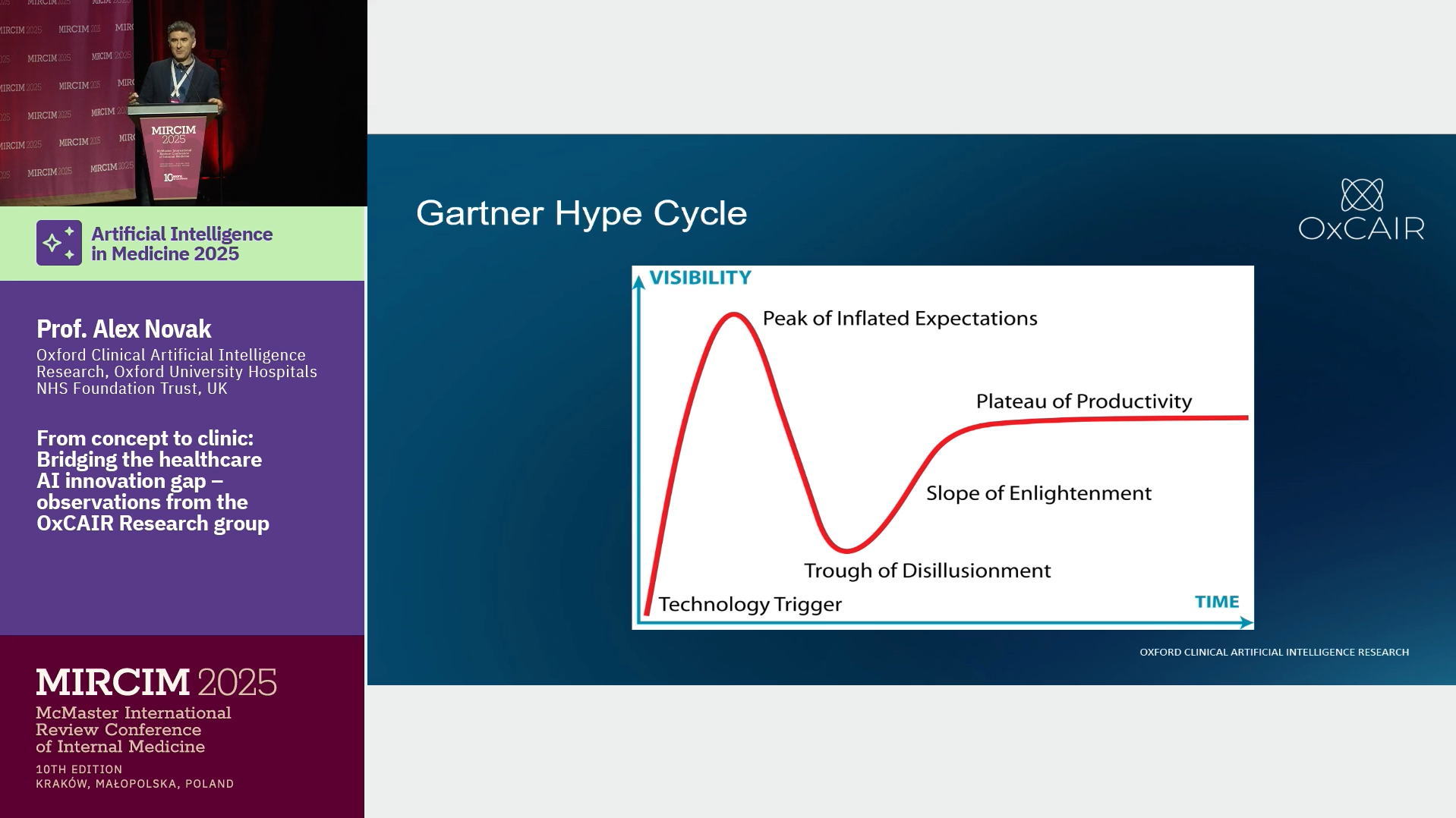
From concept to clinic: Bridging the healthcare AI innovation gap – observations from the OxCAIR Research group
Prof. Alex Novak (Oxford Clinical Artificial Intelligence Research, Oxford University Hospitals NHS Foundation Trust, UK)
Questions & Answers
Humans and AI view on healthcare: For users of AI tools
Chairs: Prof. Bartłomiej W. Papież (UK), Prof. Dan Perri (Canada)
Regulatory ecosystem for the AI-enabled medical devices: A brief summary for clinicians
Prof. Piotr Szymański (Chairman, Regulatory Affairs Committee of the European Society of Cardiology, National Medical Institute of the Ministry of the Interior and Administration, Poland)
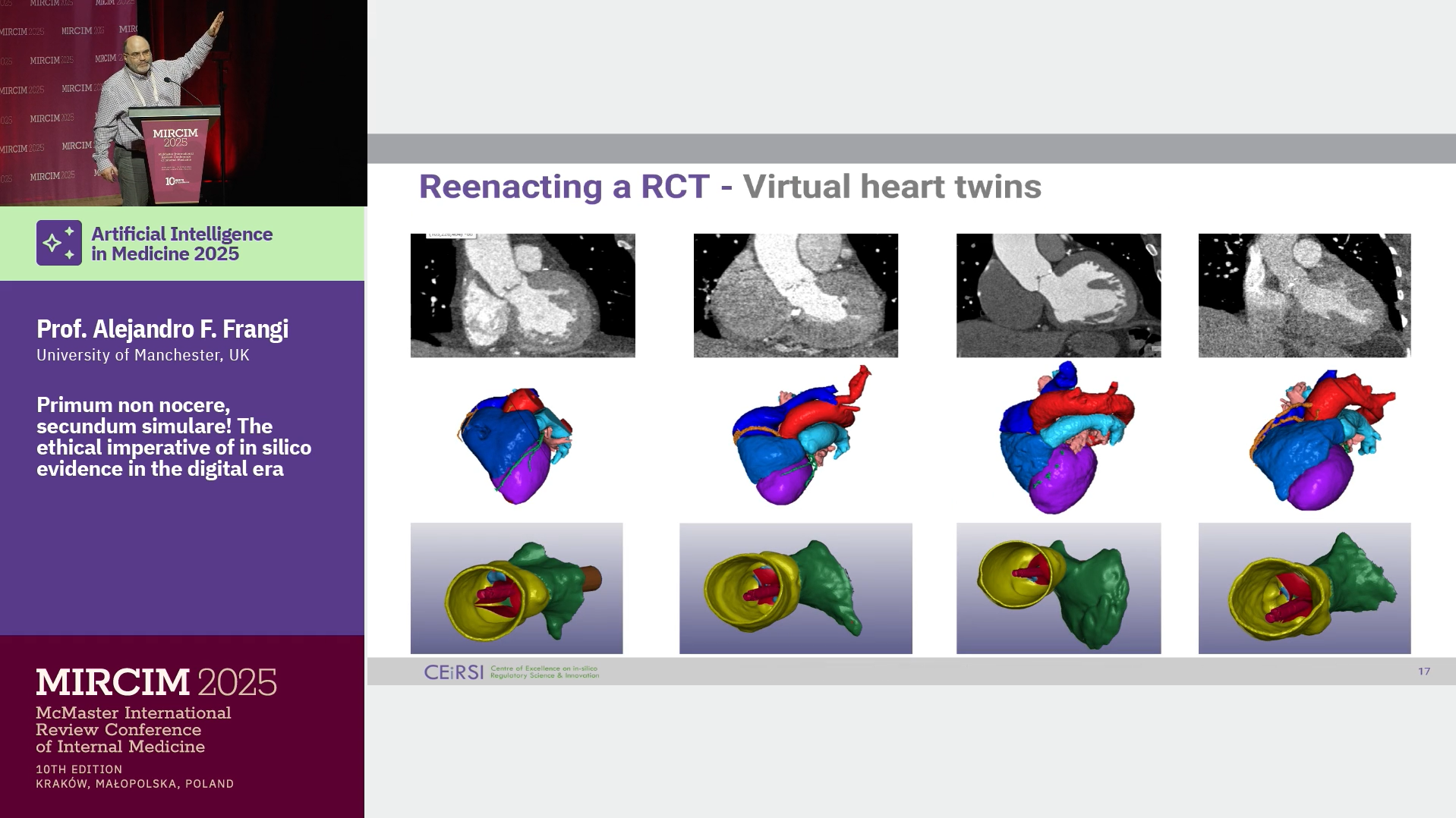
Primum non nocere, secundum simulare! The ethical imperative of in silico evidence in the digital era
Prof. Alejandro F. Frangi (University of Manchester, UK)
Friend or foe? Navigating human-AI interactions in clinical practice
Prof. Bartłomiej W. Papież (Big Data Institute, Oxford University, UK)
Front-line experience in evaluating and translating AI tools into hospitals
Prof. Alex Novak (Oxford Clinical Artificial Intelligence Research, Oxford University Hospitals NHS Foundation Trust, UK)
Challenges with integrating AI into clinical workflows
Prof. Dan Perri (McMaster University, Canada)
Integration of AI in medical education
Prof. Sameer Shaikh (McMaster University, Canada)
Questions & Answers
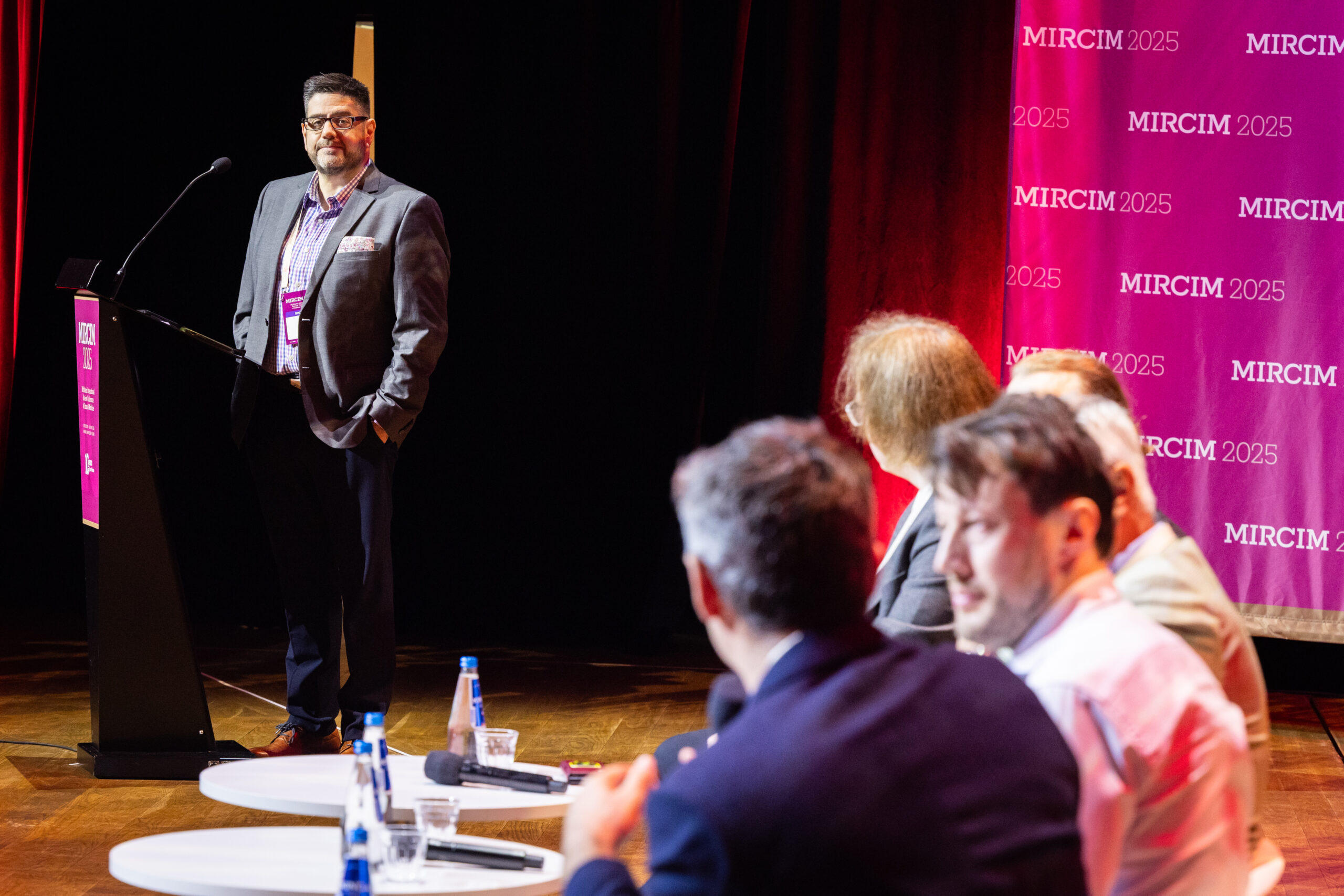
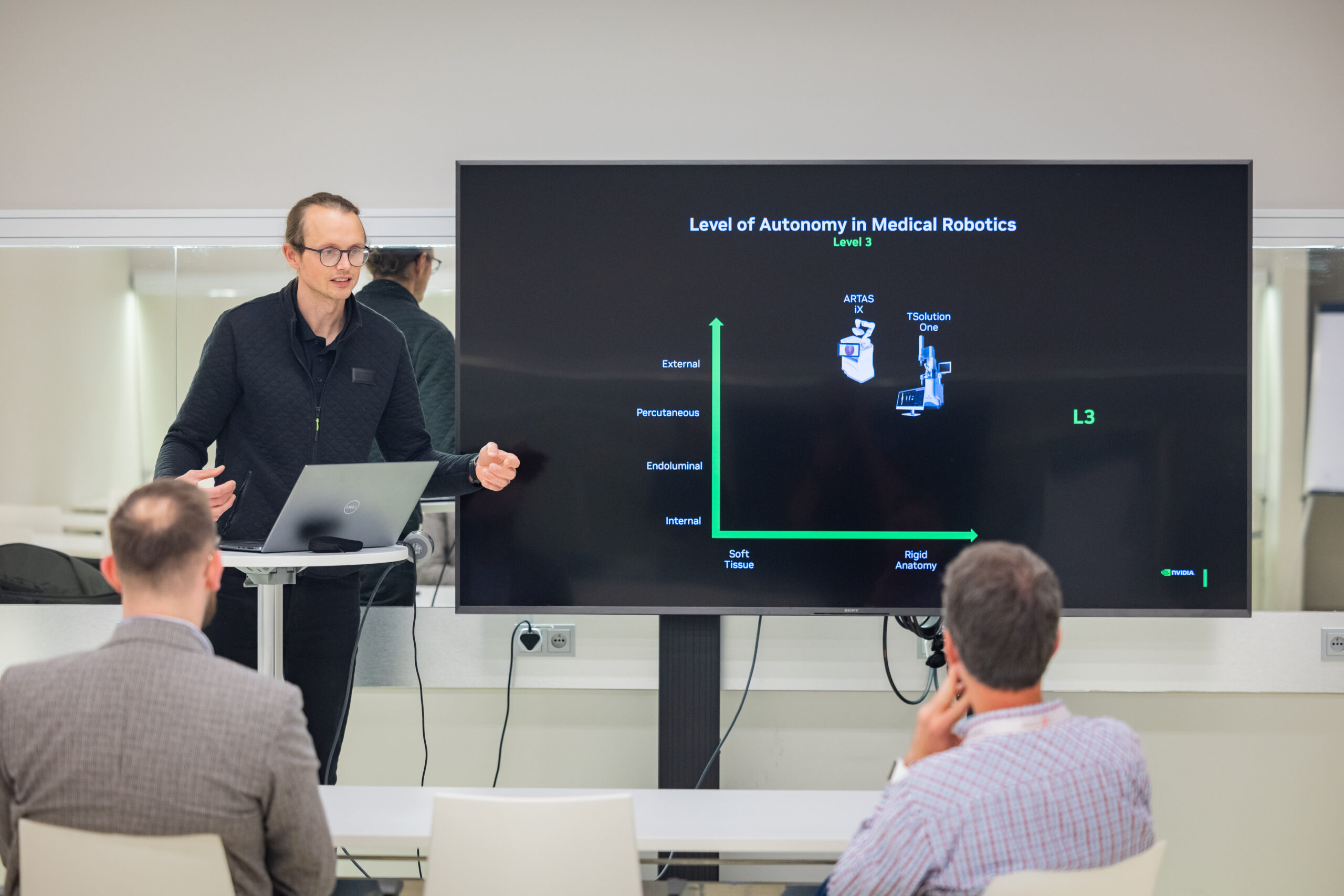
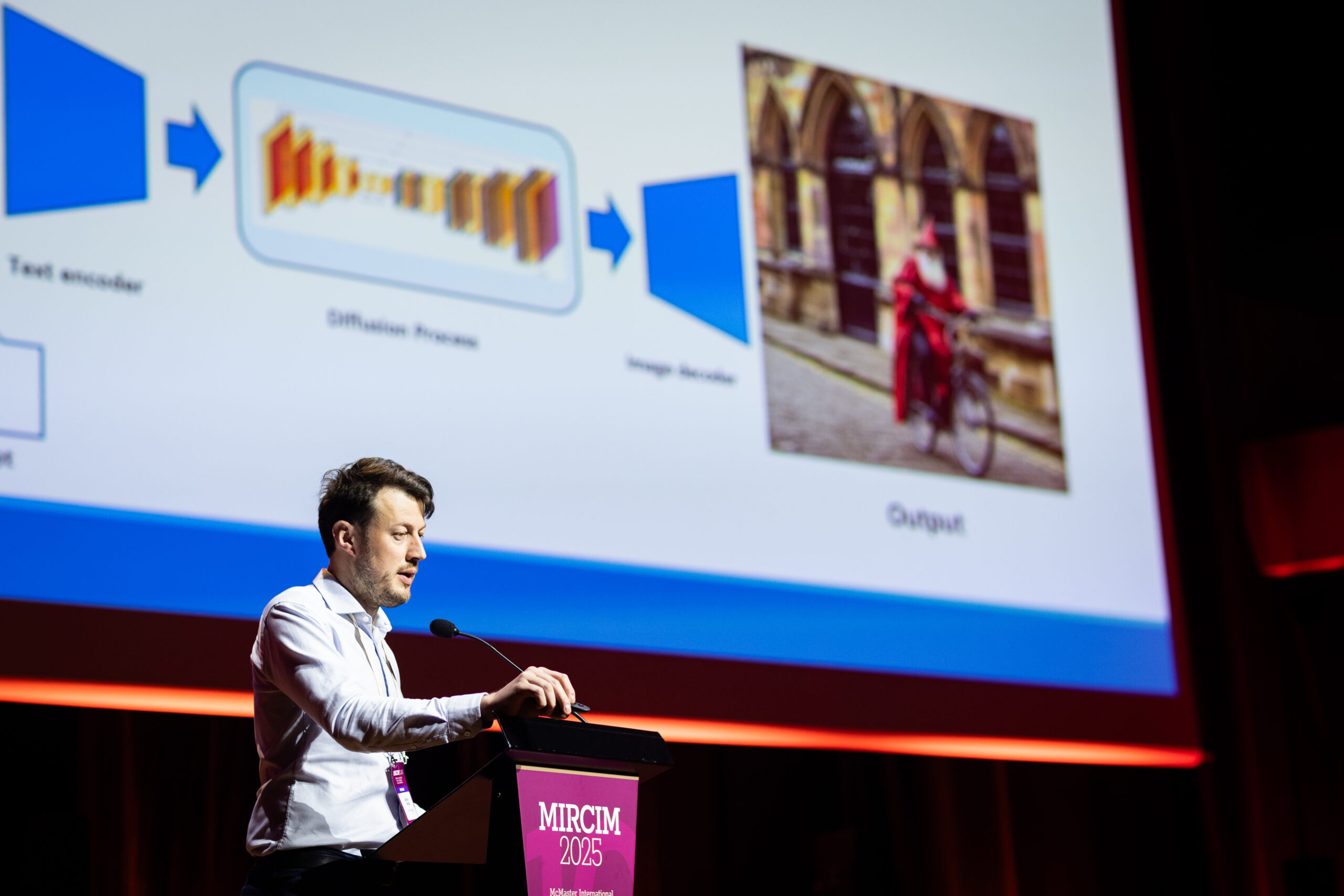
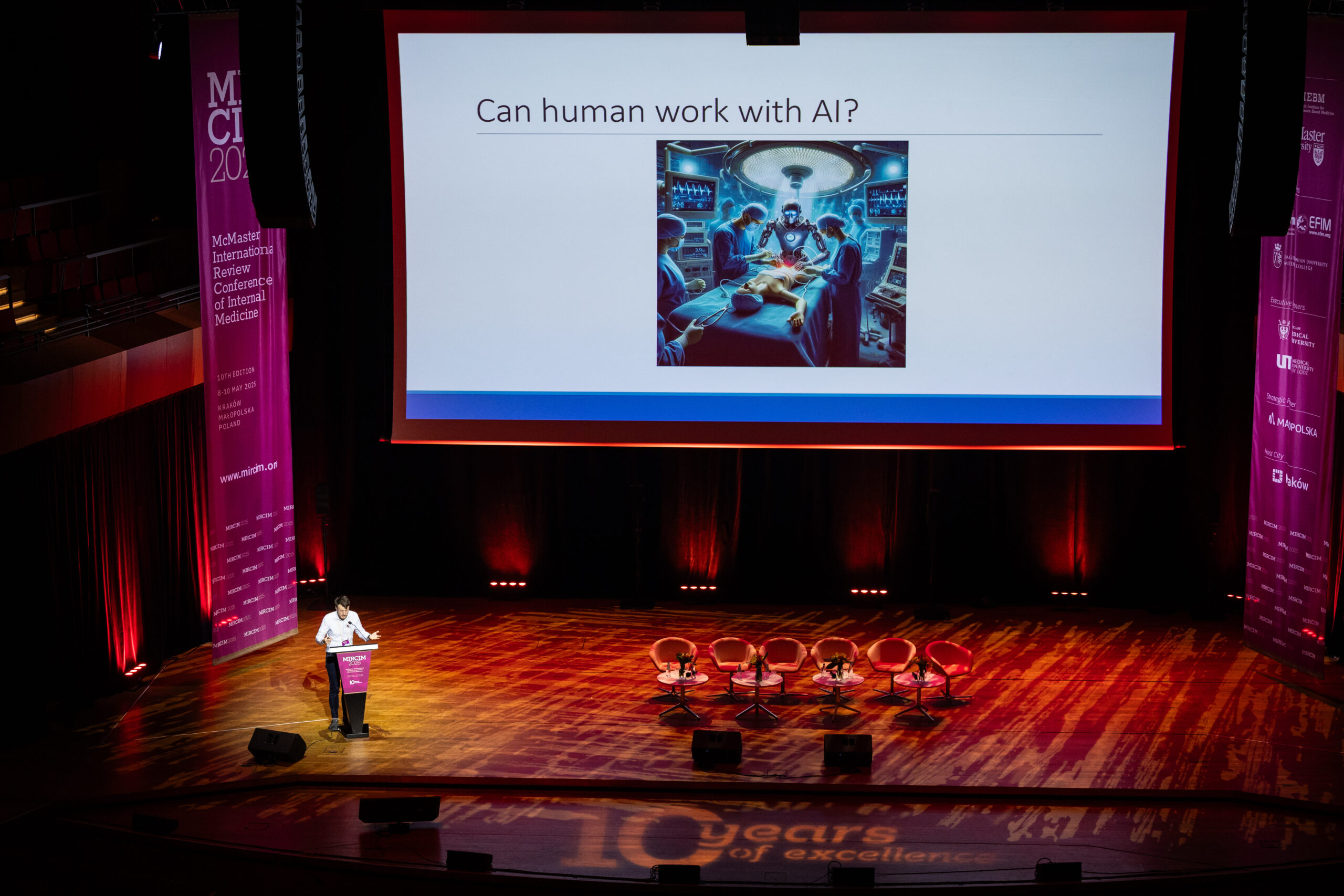
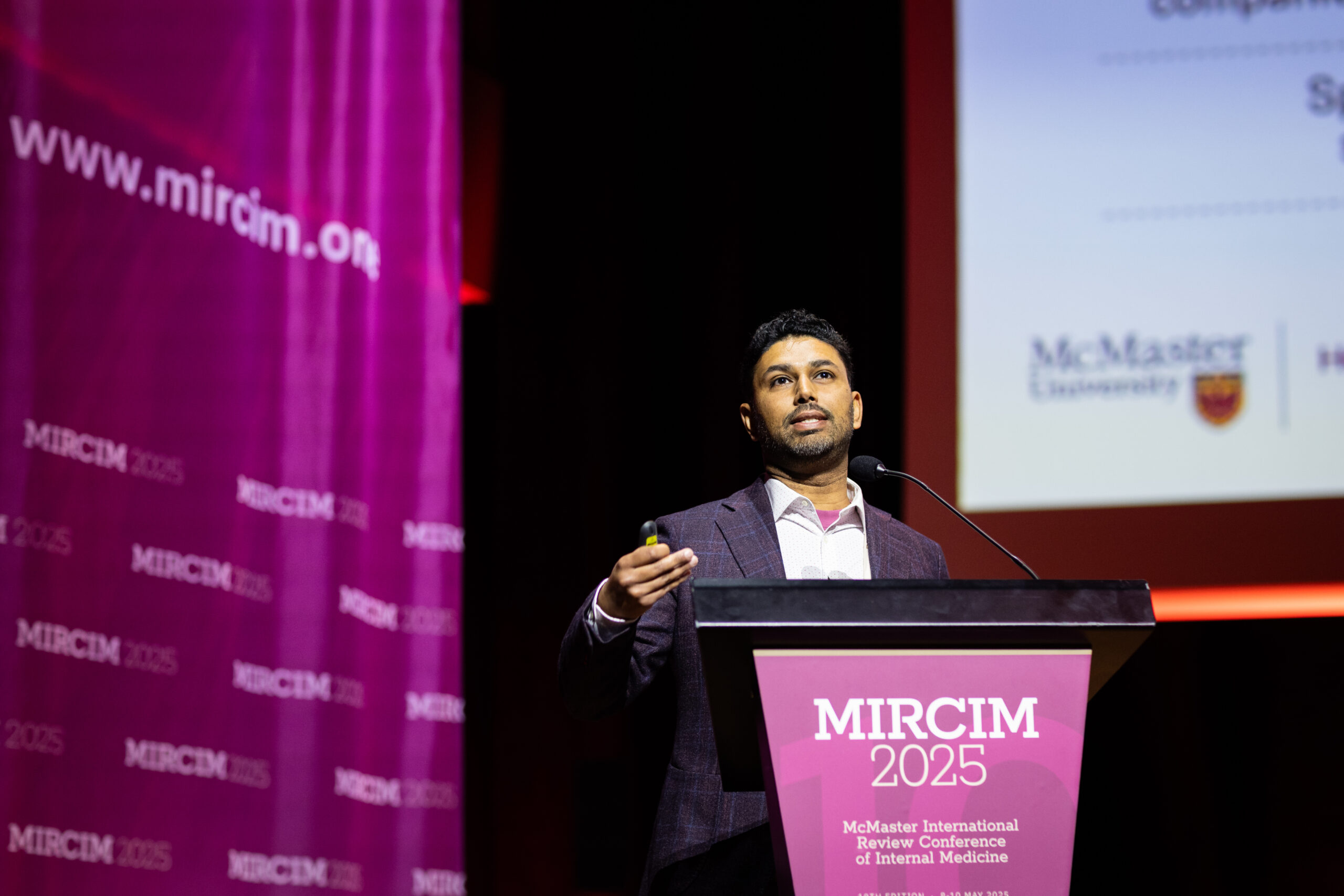
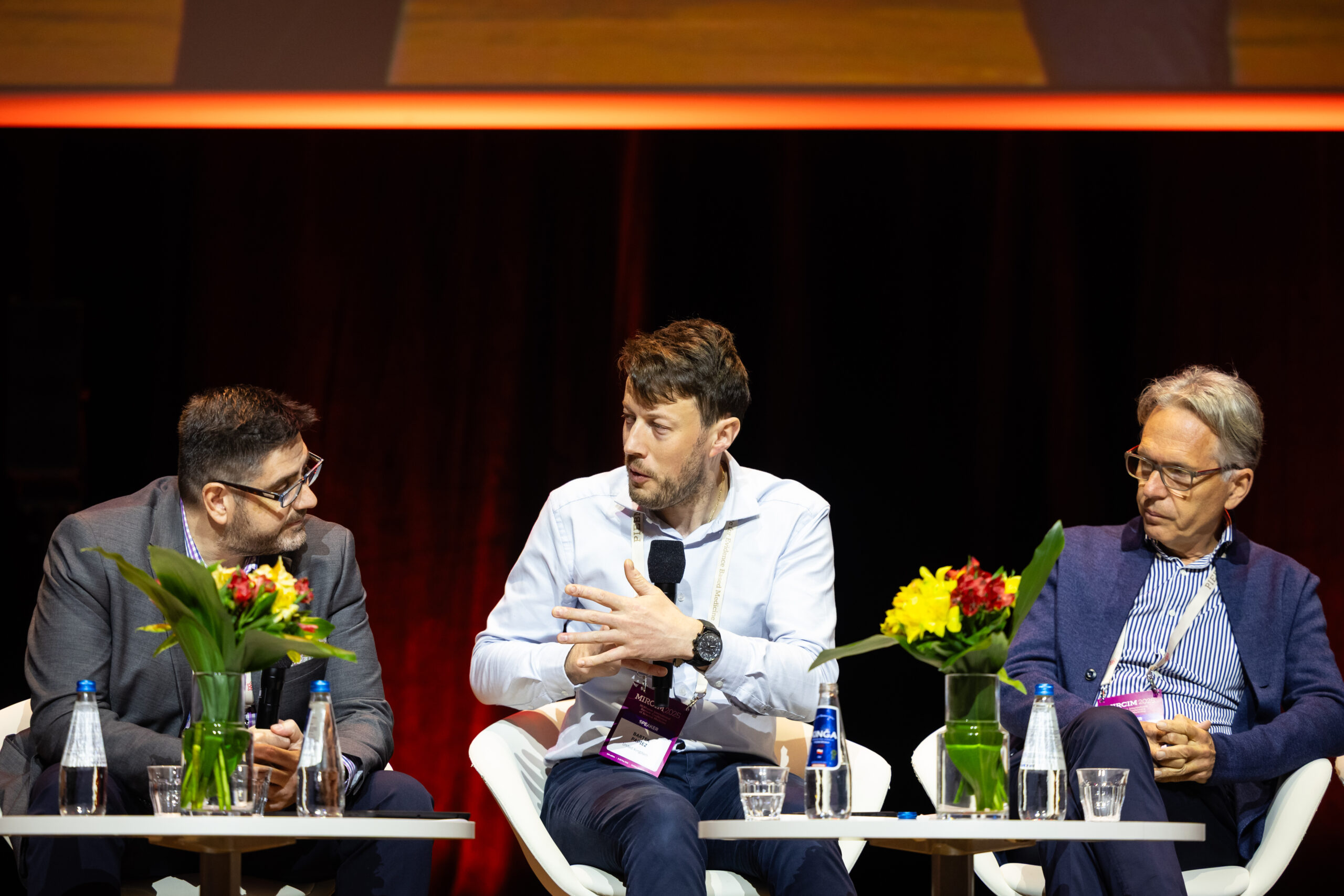
Artificial Intelligence in Medicine began in 2025 as a one-day meeting for health professionals and developers exploring the integration of AI into health care. It was first organized during the 10th McMaster International Review Conference in Internal Medicine (MIRCIM), an annual event held in Kraków, Poland since 2015, and more recently also online.
AIMed is a joint initiative developed by scholars from the Polish Institute for Evidence Based Medicine (PIEBM), the Big Data Institute at the University of Oxford, the Department of Medicine at McMaster University and the Interdisciplinary Health Data Center of the Jagiellonian University Medical College.
Today, the conference has grown into a 3-day event featuring renowned international AI experts and health professionals who share real-life experience in implementing AI in different settings.
Fees
In-person | ||
|---|---|---|
3 days May 7-9 | Single day May 7, 8, or 9 | |
Standard | €300 | €160 |
Residents, Trainees, PhD students, and early-career researchers | €225 | €120 |
Undergraduate students | €150 | €80 |
Industry | €500 | €265 |
-
Lunch voucher €20 extra per day
Virtual | ||
|---|---|---|
3 days May 7-9 | Single day May 7, 8, or 9 | |
Standard | €190 | €100 |
Residents, Trainees, PhD students, and early-career researchers | €140 | €75 |
Undergraduate students | €95 | €50 |
What's included
- Live participation in sessions and Q&A discussions
- Complimentary access to live streaming
- On-demand access to post-event video content
- In-person networking opportunities with peers and faculty
- On-site exhibits
- Poster and demonstration areas
- Refreshments
- Conference materials (PDF)
- Certificate of attendance
- Satellite event: 11th McMaster International Review Conference of Internal Medicine
- Satellite event: Young Talents in Internal Medicine World Finals 2026
Cancellation policy
A win-win offer with a generous return policy
Take advantage of the discounts available and register today. If later on you would like to cancel your registration, we will refund up to 100% of your payment.
Refund policy:
1 September 2025 – 31 December 2025: 100%
1 January – 31 March 2026: 50%
1 April – 6 May 2026: no refund
We have selected 2 excellent lectures as a sample of what you can expect:
- Prof. Alejandro F. Frangi, University of Manchester, UK: Primum non nocere, secundum simulare! Ethical imperative of in silico evidence in the digital era
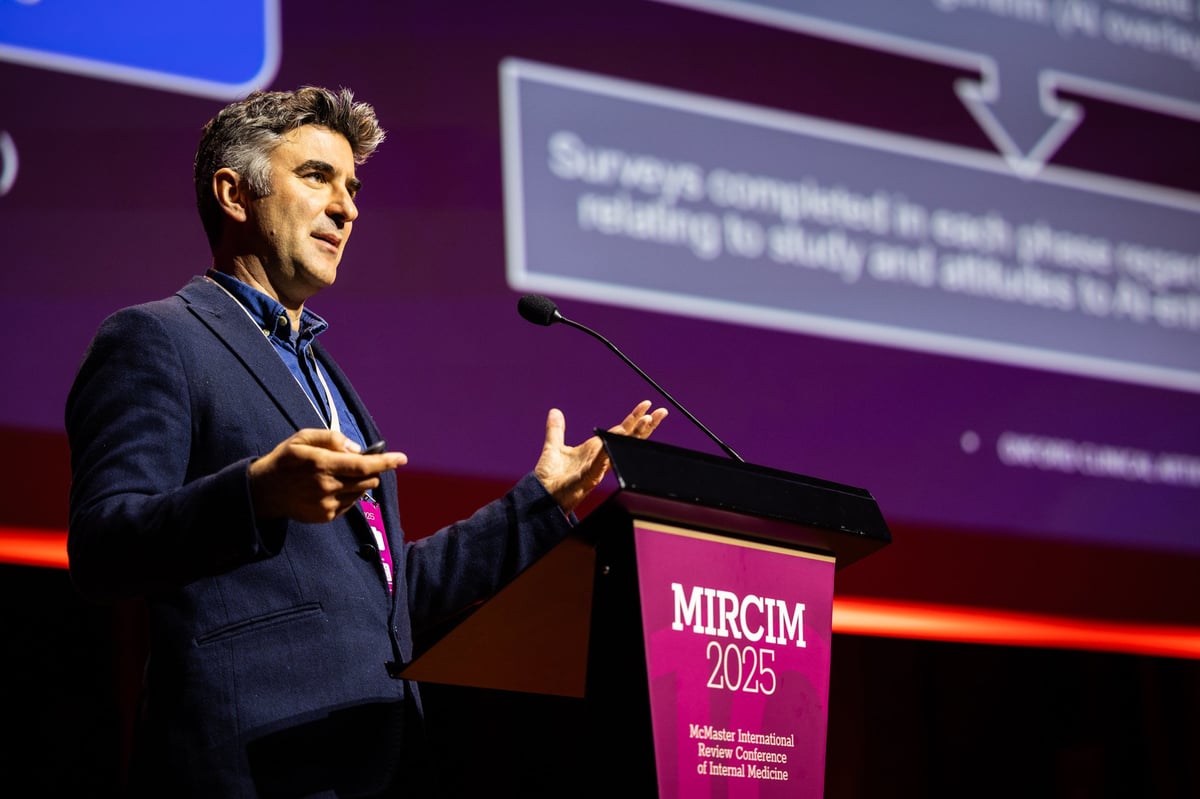
- Prof. Alex Novak, Oxford Clinical Artificial Intelligence Research, Oxford University Hospitals NHS Foundation Trust, UK: From concept to clinic: Bridging the healthcare AI innovation gap – observations from the OxCAIR Research group
Click the button to play the selected video.
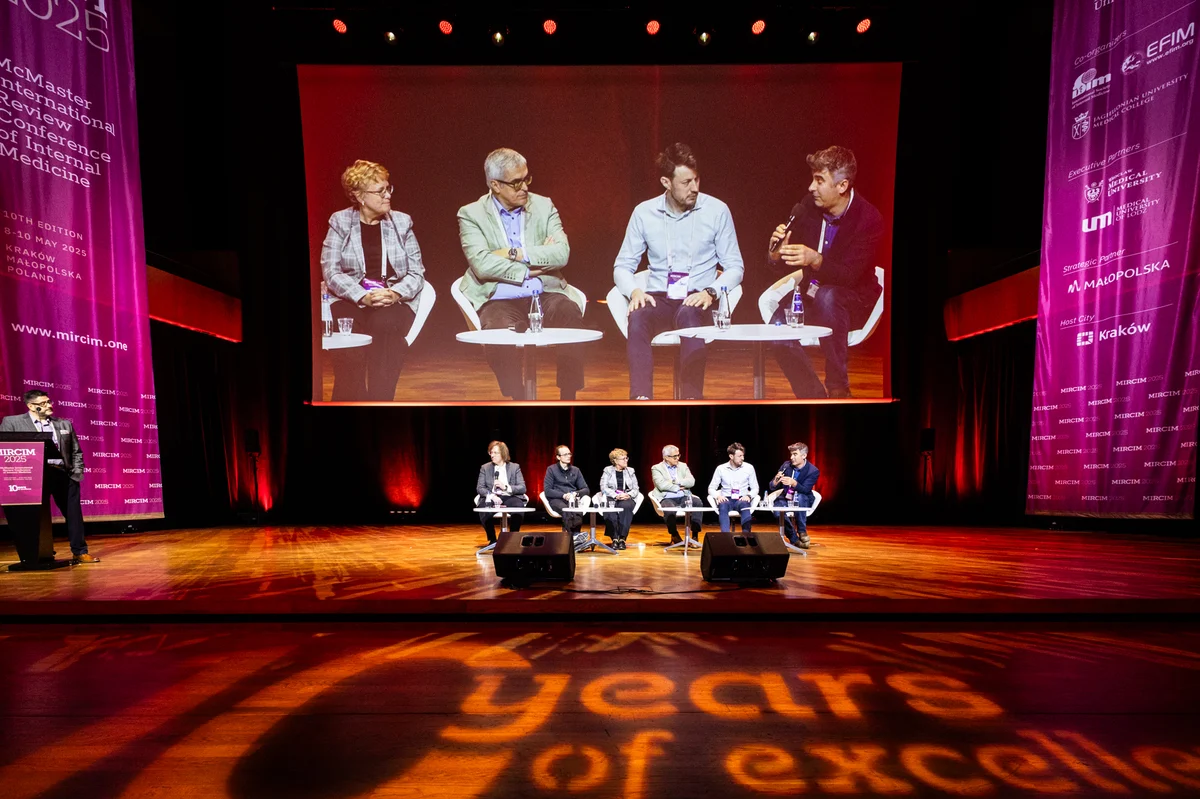

ICE Congress Centre
Kraków, Poland
Business and cultural flagship of the city located in the very heart of Kraków
Organizers



AIMed is a joint initiative developed by scholars from the Polish Institute for Evidence Based Medicine (PIEBM), the Big Data Institute at the University of Oxford, the Department of Medicine at McMaster University and the Interdisciplinary Health Data Center of the Jagiellonian University Medical College.
Conference Chairs
Bartłomiej Papież PhD, MSc
Big Data Institute, University of Oxford, UK
Dan Perri MD
McMaster University, Canada
Roman Topór-Mądry MD
Interdisciplinary Health Data Center,
Jagiellonian University Medical College, Poland
Andrzej Ryś MD
former Director for Health Systems, Medical Products and Innovation, European Commission
Co-creator of the European Health Data Space
Board Member of Medical Research Agency, Poland
Roman Jaeschke MD, MSc, DPharm
McMaster University, Canada
Piotr Szymański MD, PhD
Healthcare Professionals’ Working Party, European Medicines Agency; National Institute of Medicine MSWiA (Poland)
Piotr Gajewski MD, PhD
Polish Institute for Evidence Based Medicine, Poland
Special Sessions Chairs
Paweł P. Łabaj PhD, DSc
Head of the Bioinformatics Group, Malopolska Centre of Biotechnology,
Deputy Director for Scientific Affairs, Malopolska Centre of Biotechnology,
Jagiellonian University, Poland
Organizing Team
Piotr Gajewski (Chair)
Gabriela Gajewska-Jędrzejczyk (PIEBM)
Marta Adamiak (PIEBM)
Agata Salwińska (PIEBM)
Marta Pasiut (PIEBM)
Aleksandra Banaszewska (PIEBM)
Kaja Krawczyk (PIEBM)
Subscribe to AIMed newsletter
If you need any further assistance...
For general enquiries
Gabriela Gajewska-Jędrzejczyk
Project Manager
ai@piebm.org
+ 48 880 827 313 (mobile and WhatsApp)
For partners, media, startups & technology
Marta Adamiak
Head of Communication
marta.adamiak@piebm.org
+41 76 702 1772 ( WhatsApp)

Polish Institute for Evidence Based Medicine
Gazowa 14A | 31-060 Kraków, Poland
contact@piebm.org | www.piebm.org
Data Protection Officer
Justyna Sikorska
For inquiries related to data protection,
contact iod@piebm.org.